
-
20-year dedicated manufacturer
-
Certified Company
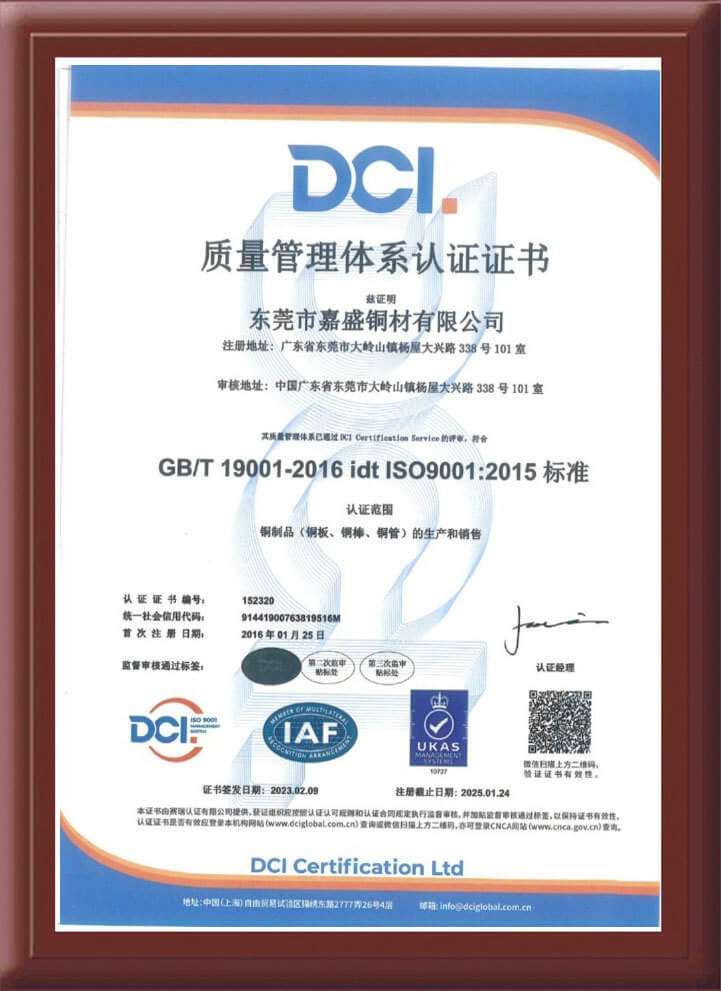
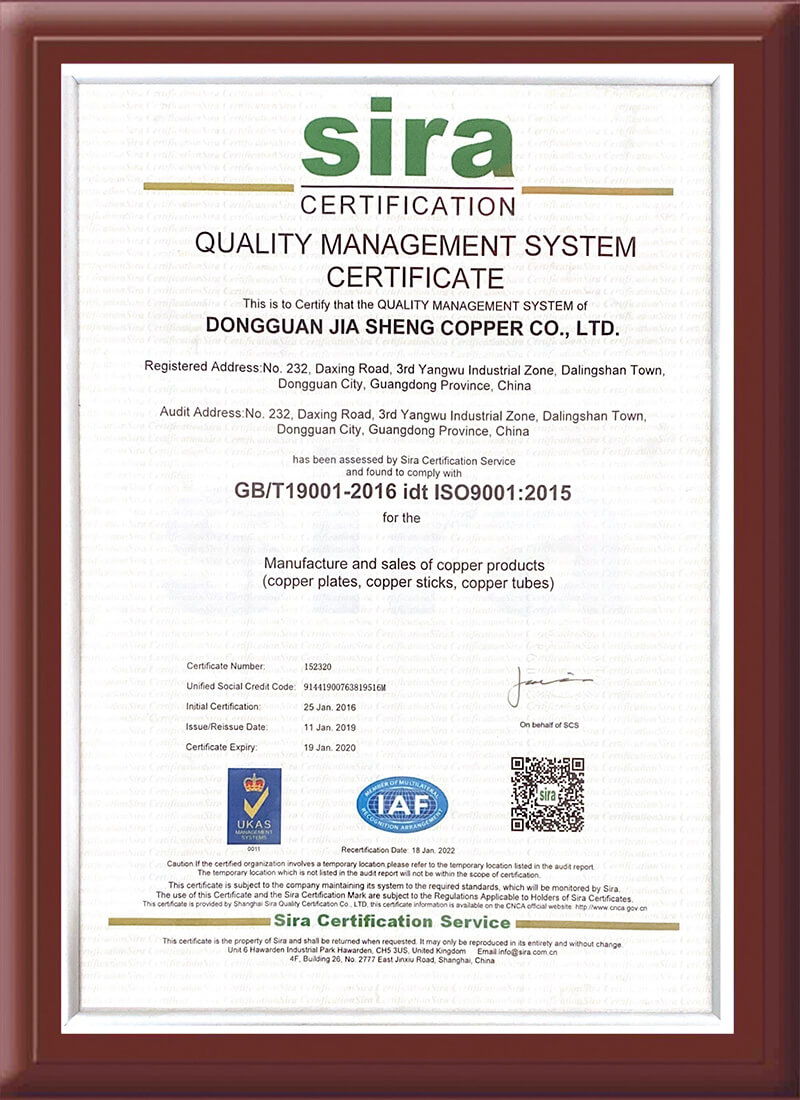
ISO 9001:2015
Welcome to
Dongguan Jiaye Dingsheng Precision Casting and Forging Co., Ltd
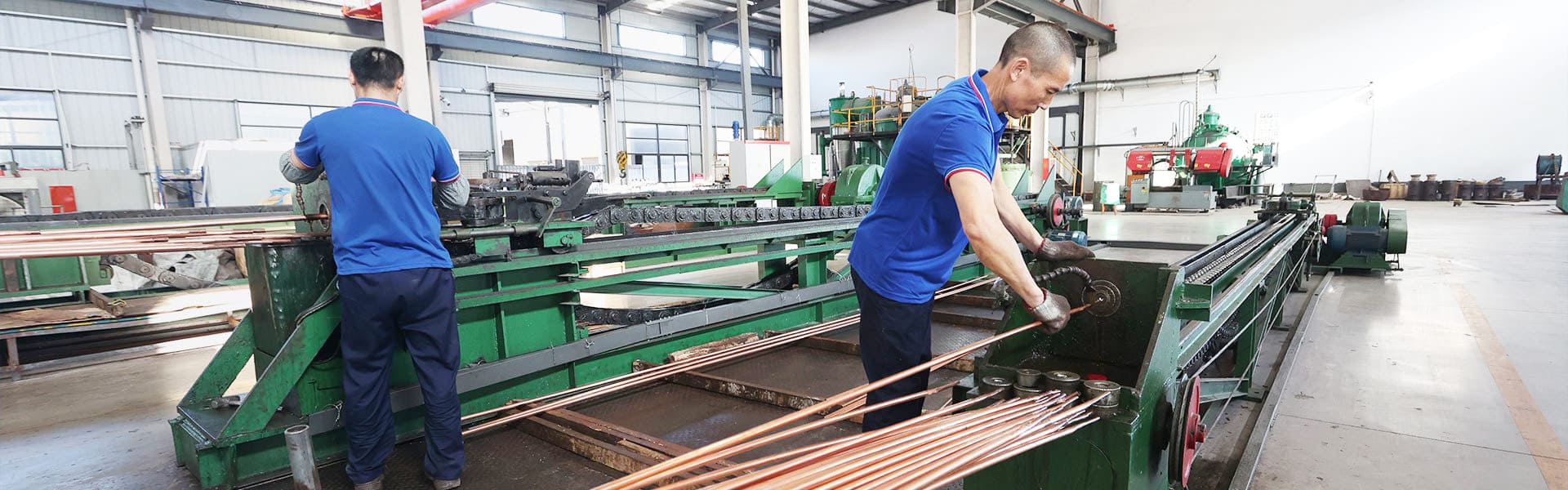
Dongguan Jiaye Dingsheng Precision Casting & Forging Co., Ltd. is a leading copper alloy manufacturer with over 20 years of expertise. We specialize in high-performance copper alloys including Beryllium Copper (C17200, C17500), Chromium Zirconium Copper (C18150), and Aluminum Bronze, with an annual capacity of 2,000 tons and full ISO 9001 certification. Our products are defect-free with zero porosity, trusted by clients in molds, new energy, aerospace, and welding applications worldwide.
Over 20 years experience & manufacture of bronze copper.
Product Center
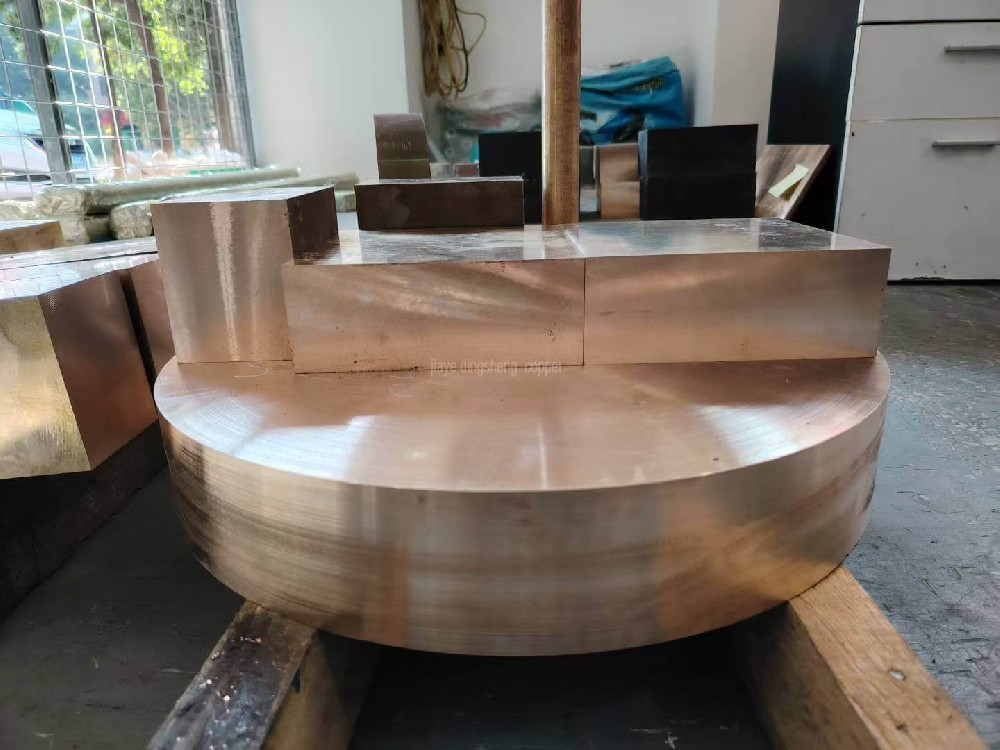
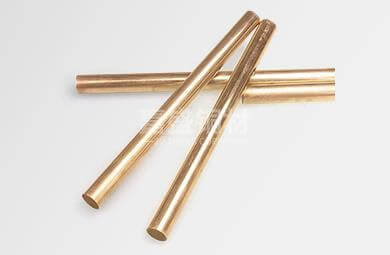
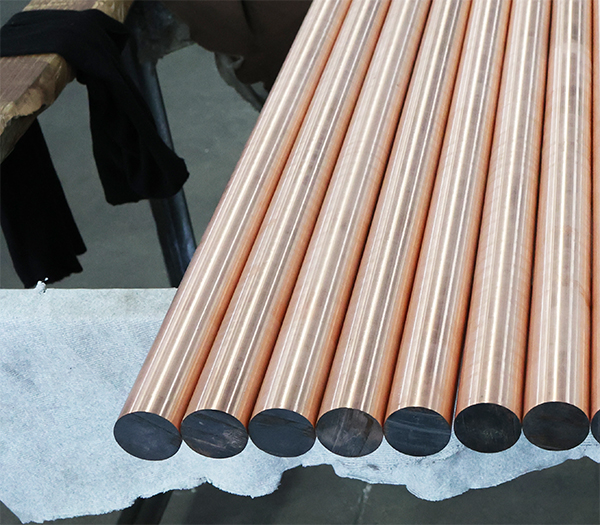
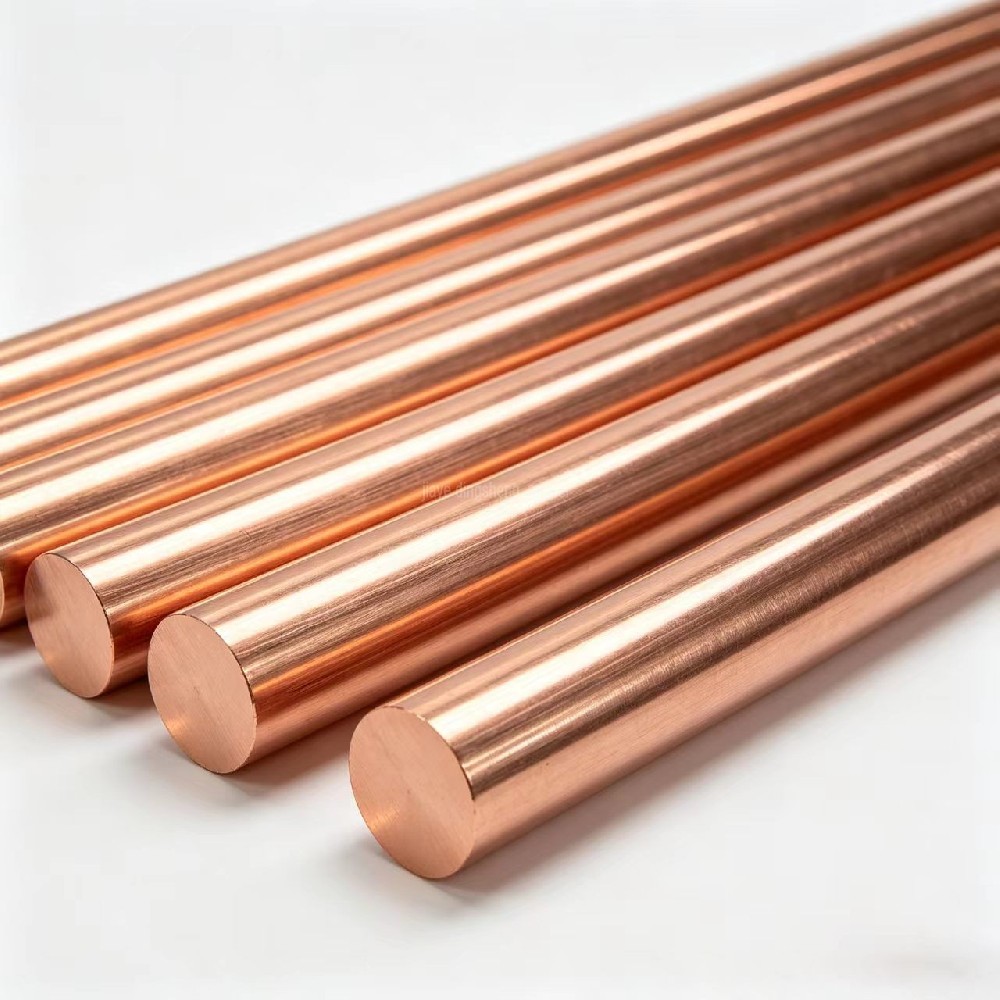
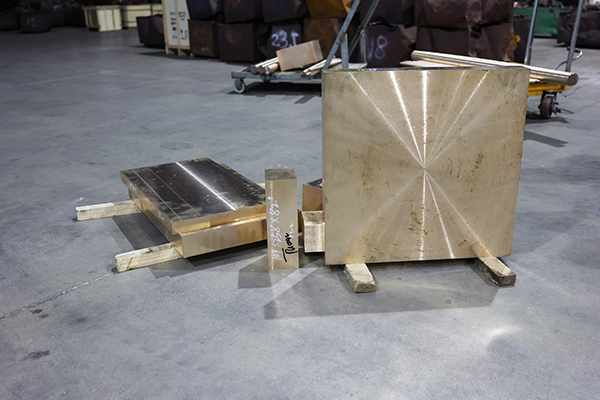
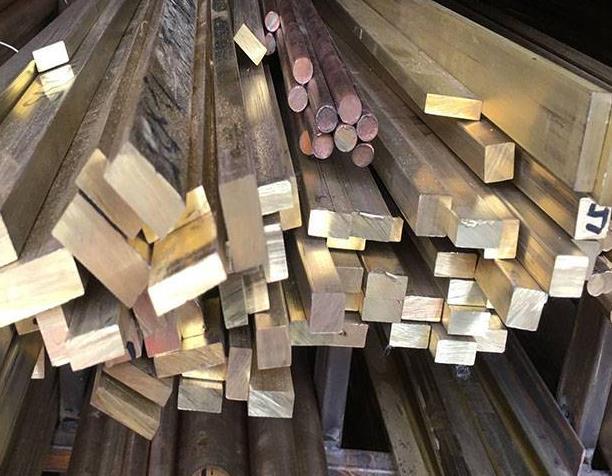
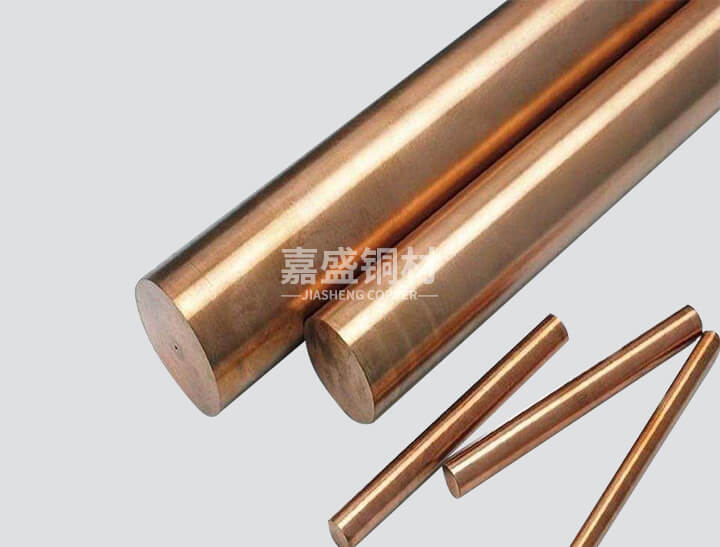
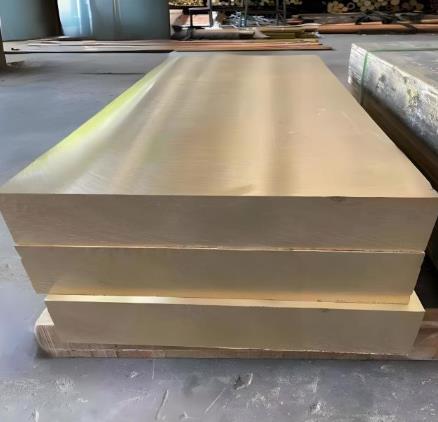
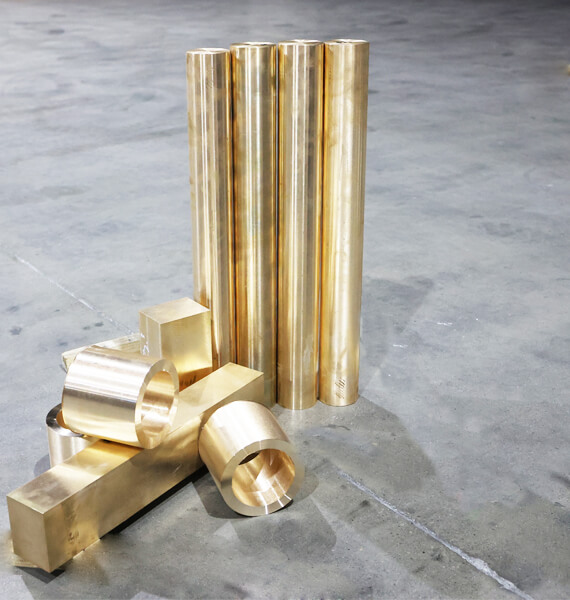
We have a complete range of copper material specifications and sufficient inventory, including plates, bars, copper sleeves, etc


Our Main Materials
Beryllium bronze is a type of bronze with beryllium as the main additive element. The beryllium content of beryllium bronze is 0.2% to 2%, with a small amount (0.2% to 2.0%) of cobalt or nickel as the third component added.
BeCu -- Beryllium Brone
C17200,C17510,C17300,C17000Beryllium cobalt copper is a kind of metal alloy material, composed of four elements: copper, cadmium, beryllium and cobalt. Among them, the copper content is approximately 60-70%, and the remaining elements make up the alloy. Its chemical formula is CuCoBeCd, where Be stands for beryllium, Co for cobalt and Cd for cadmium.
CuCoBeCd
C17500Our overview of copper alloys
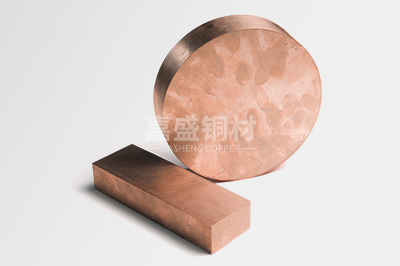
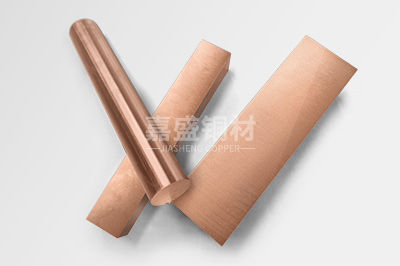
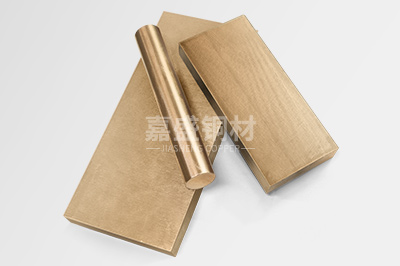
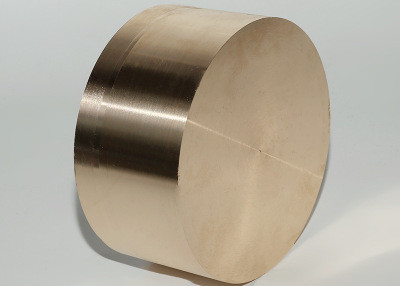
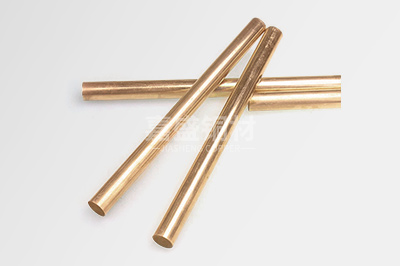
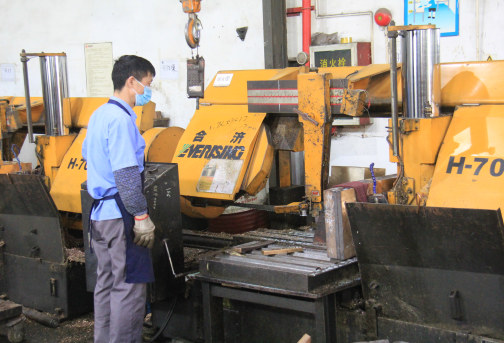
- Main copper: C17200 beryllium copper, beryllium bronze, C17500 beryllium cobalt copper, C17510 beryllium nickel copper, C18150 chromium zirconium copper, C17300 free-cutting beryllium copper, 86300 aluminum bronze, etc., are available in various specifications such as plates and bars.
- Dimensions : ASTM,EN/DIN,JIS others
- Size : Custom Diameter Sizes
- Form : Plate,Square,Round Bar,Hex,Rod,Flat,Wire,Sheet etc
- Finish : Mill,Polished,Bright,Brush,Sand Blast,etc
- Length : Random, Fix Cut Length
-
Fast Delivery
Over 500 tons of inventory in stock
-
Quality Products
Eliminated problems like air holes and sand holes
-
Latest price offer
Our factory sells directly
Our Capabilities
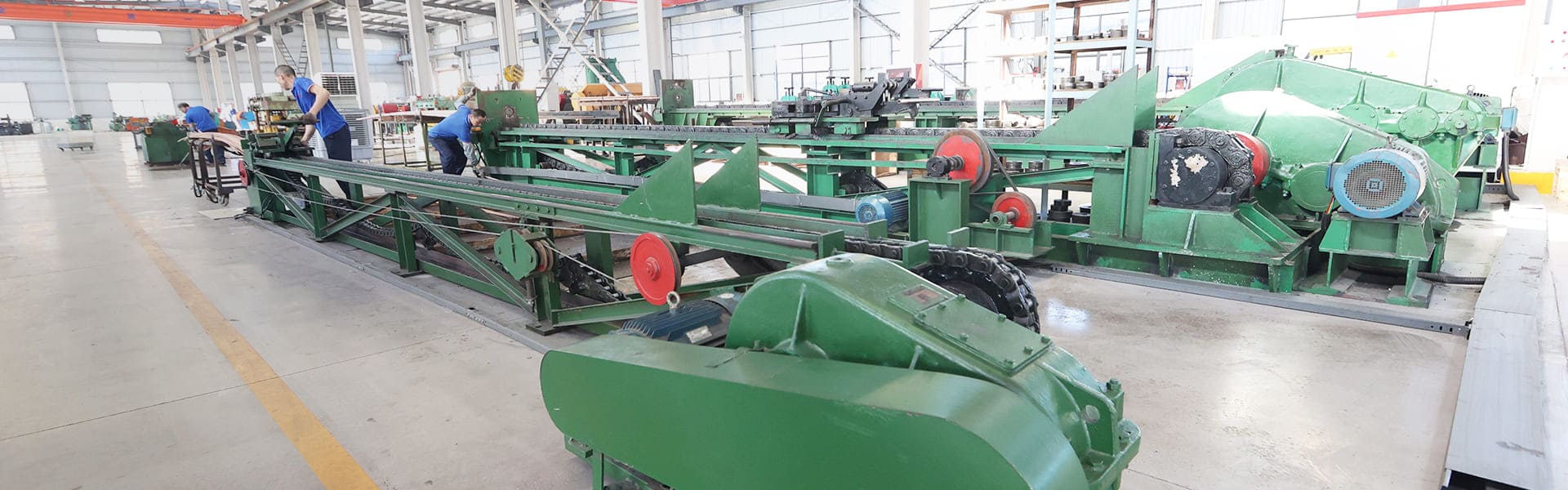
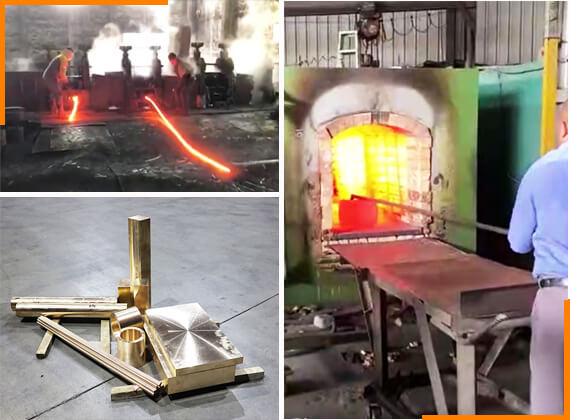
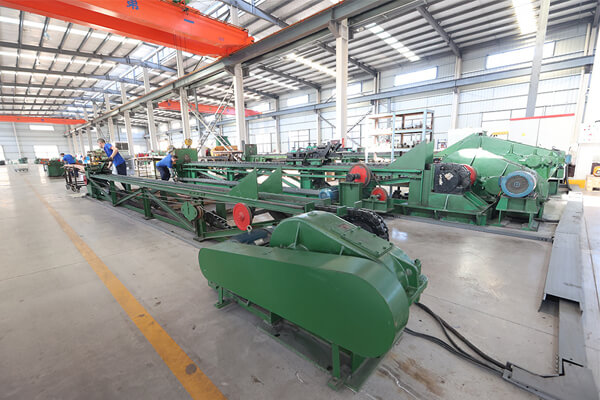
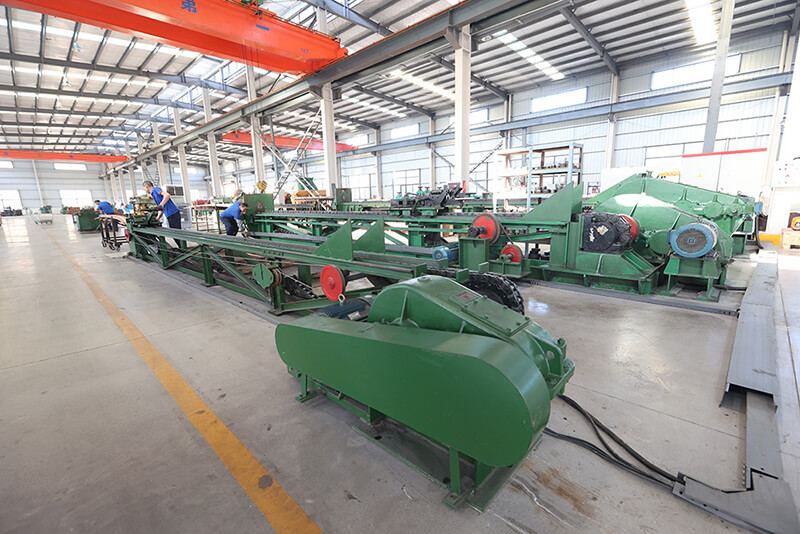
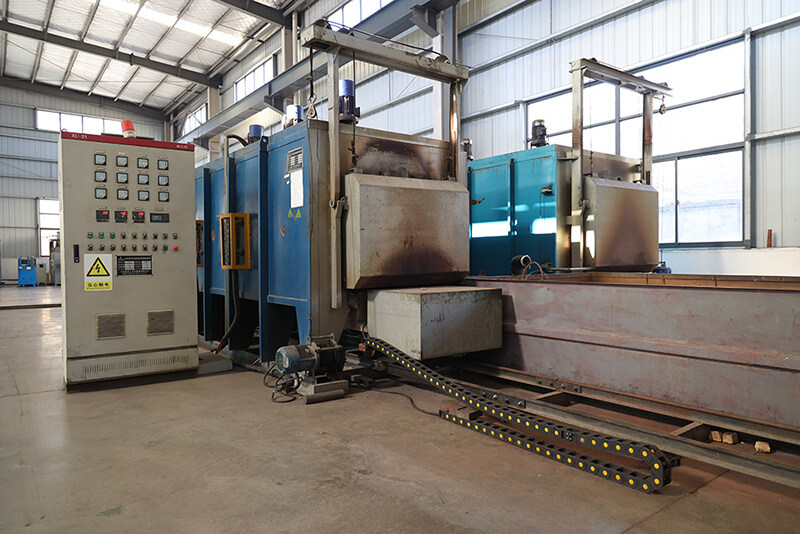
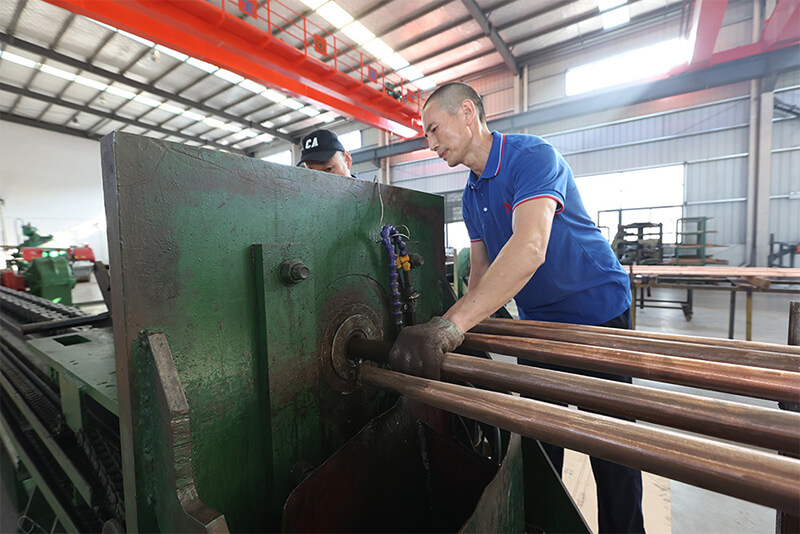
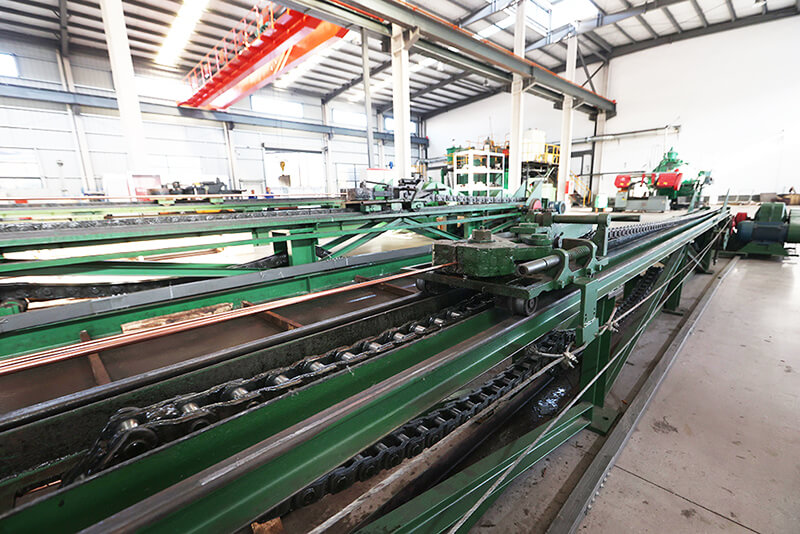
A professional beryllium copper manufacturer with 20 yearsWe possess vacuum furnace smelting equipment and new processes such as die forging to ensure quality.
- Equipped with over 300 sets of advanced equipment.
- Equipped with a vacuum melting furnace with a capacity of up to 800 kilograms.
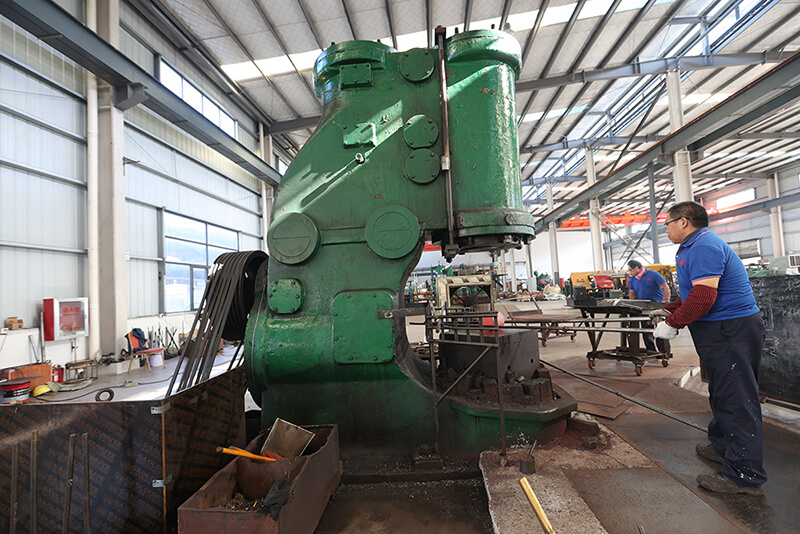
- Equipped with a 5-ton pneumatic forging hammer.
Why Choose Us?
One-stop service including customization according to drawings, fast delivery, after-sales tracking and technical guidance
Original manufacturer
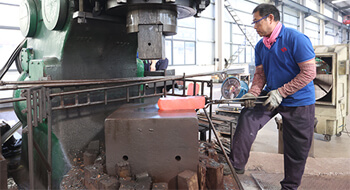
It has both a smelting workshop and a forging workshop, and all copper materials are self-produced and self-sold.
Quality assurance
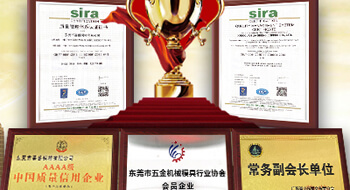
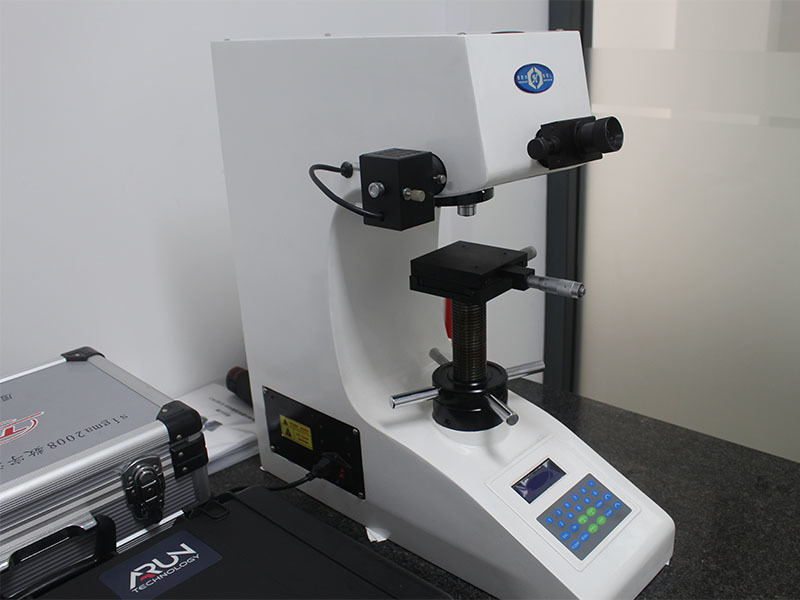
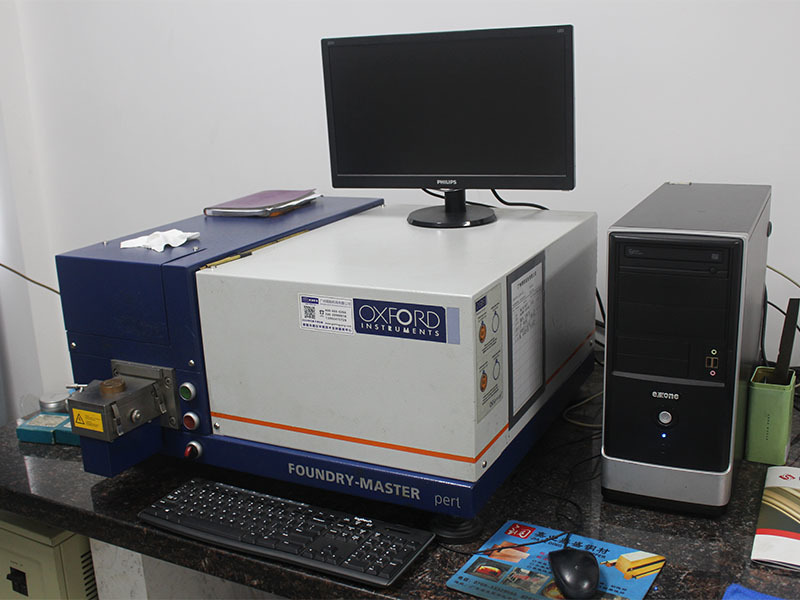
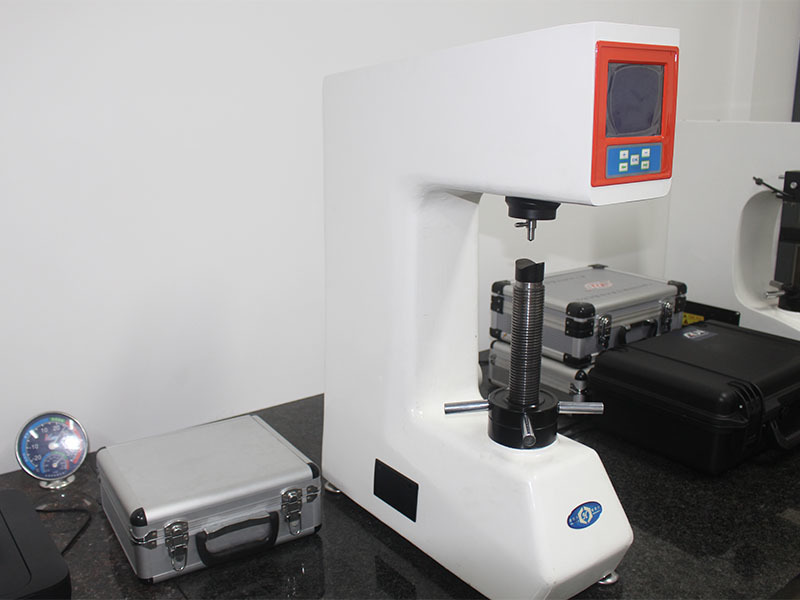
Advanced processing technology and testing equipment ensure quality,Passed ISO9001 certification and holds over 20 patents.
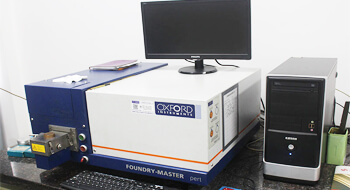
Pre-shipment inspection
We conduct internal flaw detection and manual random inspection of finished products before leaving the factory
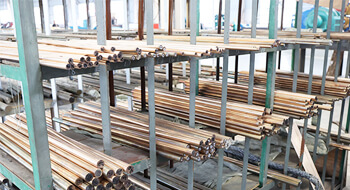
Multiple types and sizes
We offer a wide variety of products with complete inventory specifications, including plates, bars and pipes...
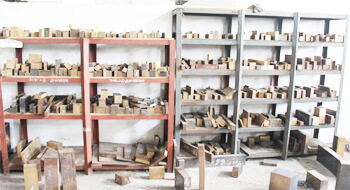
Sufficient stock available
The inventory of various types of copper materials in the regular stock warehouse amounts to 200 tons.
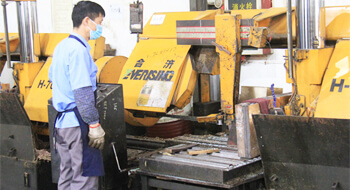
Arbitrary cutting
It can be cut to any size as per customer requirements, avoiding waste of copper materials
About us
Dongguan Jiaye Dingsheng Precision Casting and Forging Co., Ltd.
Jiaye Dingsheng Precision Casting and Forging Co., Ltd adheres to the industry philosophy of "honesty and pragmatism, striving for excellence", and persists in continuous technological innovation. It has independently developed a variety of new products. Beryllium copper is made from high-quality raw materials, smelted in professional vacuum furnaces, and formed through a semi-continuous casting new process and large-tonnage forging, which can completely eliminate the adverse phenomena such as pores and sand holes in the products. To meet the demands of the market and customers, Jiaye Beryllium Copper has launched a variety of beryllium copper products, including plates, bars, tubes, as well as beryllium copper sleeves, injection heads, and beryllium copper casting molds.
More About Us20 years of Expericence
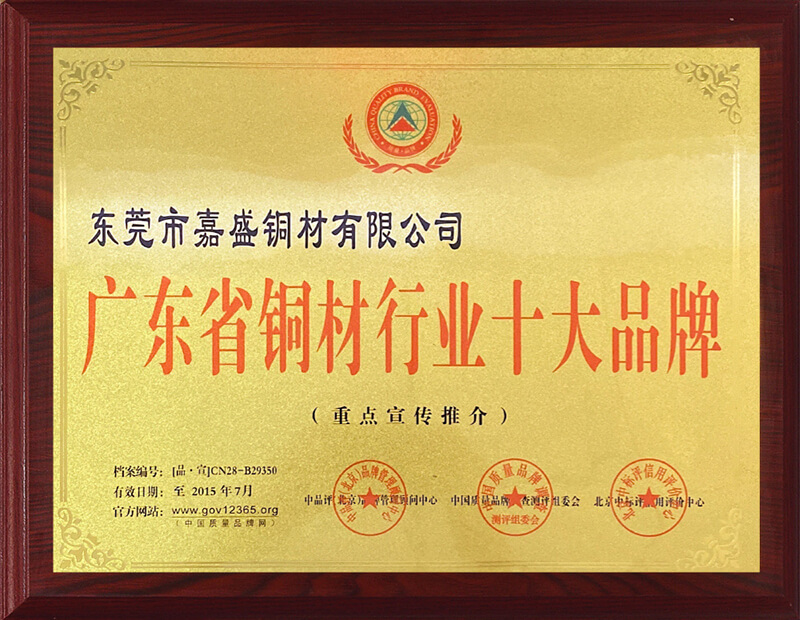
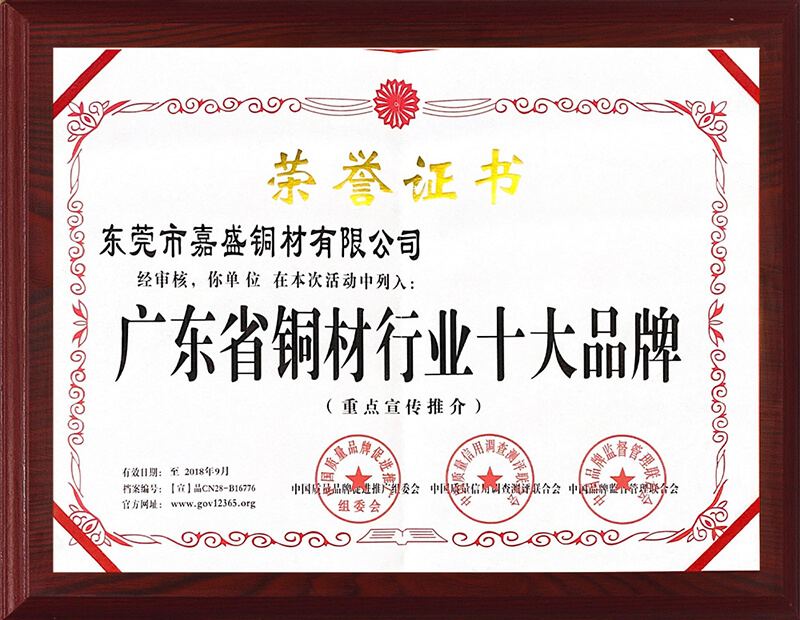
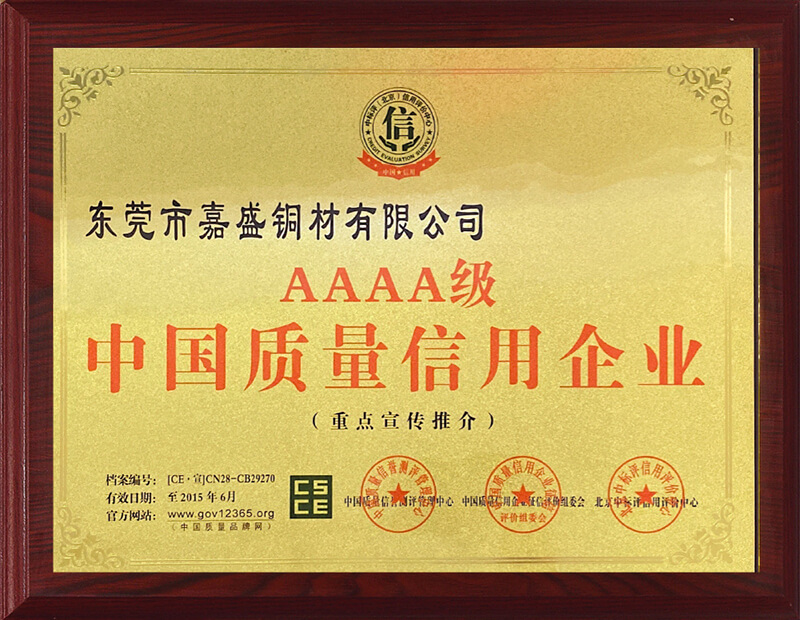
An ISO 9001:2015Award Winning Company
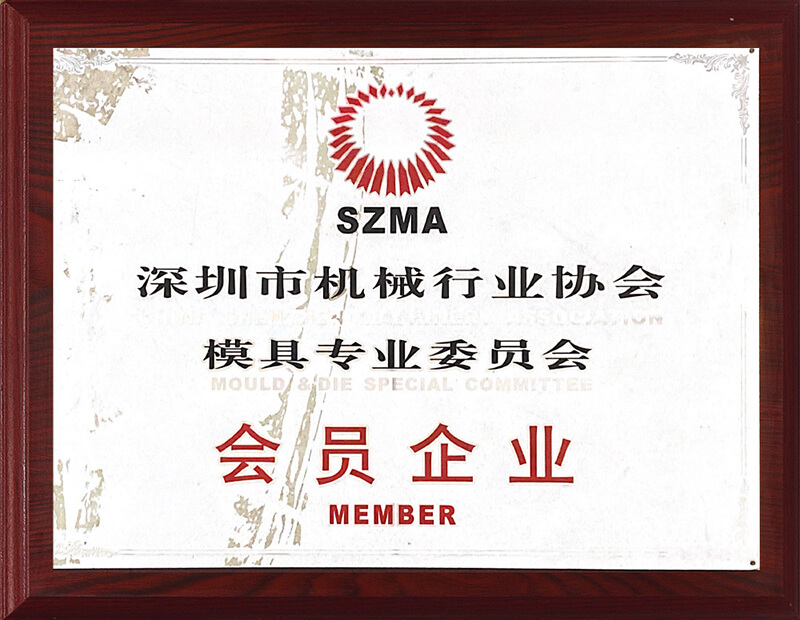
Patent, credit enterpriseCopper material factory
Since 2018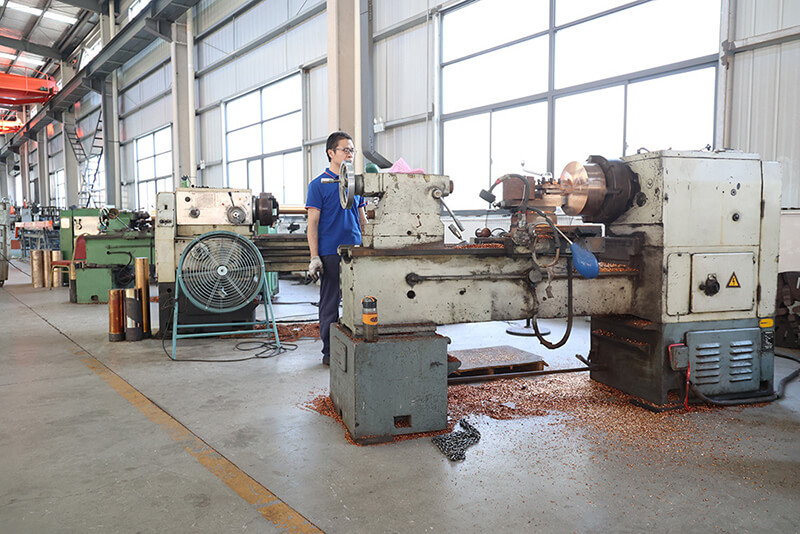
+year
+year Production Experience
10000 m2
㎡ Factory Area
200
+ Equipments
2000
+ tons Annual Production Capacity
APPLICATIONS
The application fields of the product meet the needs of different customers in various fields
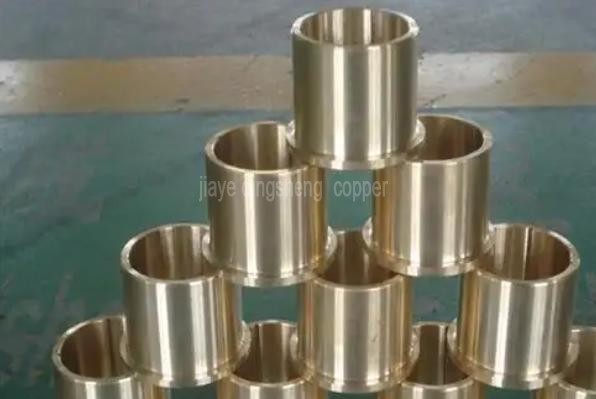
Can beryllium copper be used as the raw material for bushings?
Yes, beryllium copper can be used as a bushing material. Beryllium copper has high strength, high conductivity, good wear resistan···

Defense Equipment
Beryllium-copper alloy, due to its outstanding high strength, high conductivity, fatigue resistance and corrosion resistance, hold···

New Energy Vehicles
BeCu2 beryllium copper has a promising application prospect in the new energy industry. It holds a very important position in the ···
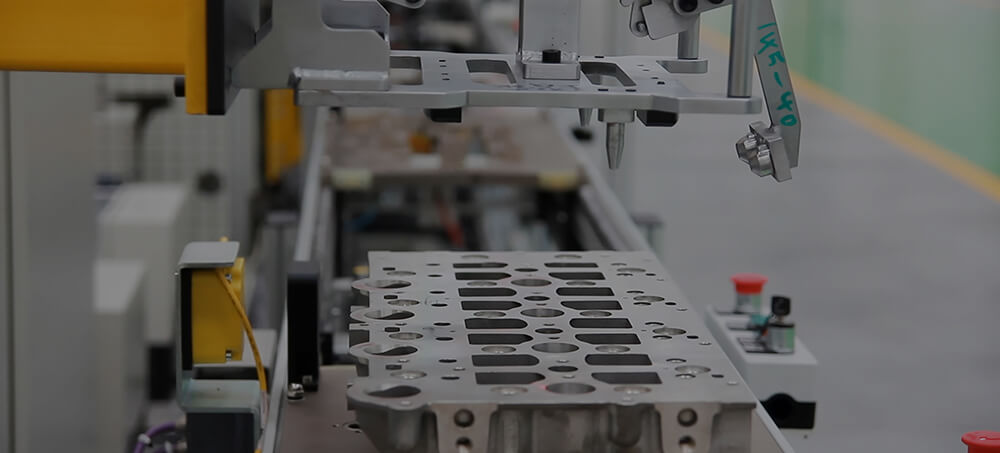
Hot Runner System
Can plastic mold hot runner inserts be made of beryllium copper material?Plastic mold hot runner inserts can be made of beryllium ···

Copper in Manufacturing
The manufacturing process of beryllium copper stamped partsBeryllium copper stamped parts are processed through stamping technolog···

Aerospace Field
According to the ASTM B196-1990 (1992, 1993 editions) standard, the chemical composition and process control of beryllium copper e···
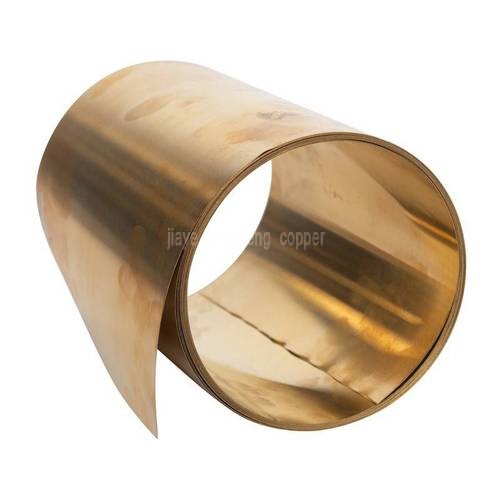
Cooperation Partner










Contact Us for Free
Our copper engineers provide our customers with the highest quality products, services and solutions.Get the latest discounted quotations
-
Toll Free Number
+86 18925770856 -
Send us an e-mail
js01@jstongcai.com.cn -
Working Hours
Mon - Sat: 8:00 - 18:00 -
Address
No. Room 111, Building 7, No. 176, Zhen'an East Road, Chang'an Town, Dongguan
Note: Sending us messages on our website is free and safe. You can also send the document to our email at the same time. Thanks.