
-
20-year dedicated manufacturer
-
Certified Company
ISO 9001:2015
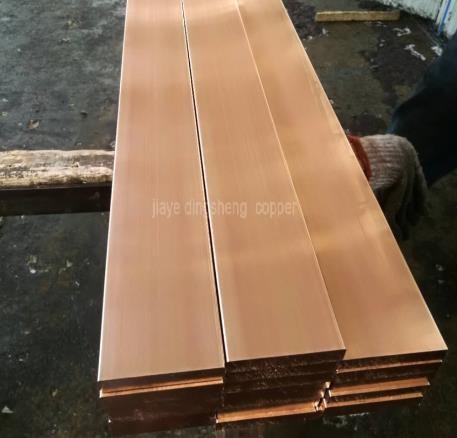
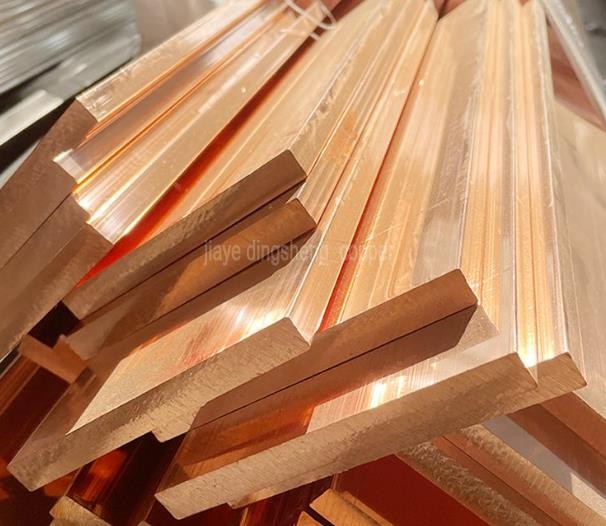

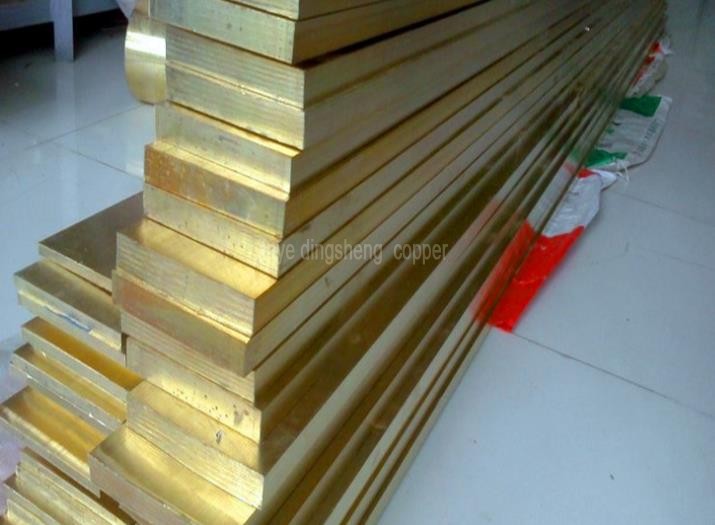
Beryllium Copper Flat Bar | C17200 & C17000 BeCu Alloy Supplier
Beryllium Copper Flat Bar supplier offering C17200 & C17000 alloys.
Thickness: 0.08–100mm, Width: 3–1000mm, Custom lengths available.
High strength, excellent conductivity, OEM machining.
The basic definition and composition of beryllium copper flat bars
Beryllium copper flat bars refer to the flat profile materials made of copper alloys with beryllium as the main alloying element (i.e., beryllium bronze or beryllium copper). They usually have a width much greater than the thickness and belong to a type of copper and copper alloy flat bars, flat wires or flat bars. Beryllium copper flat bars possess excellent properties such as high strength, high elasticity, wear resistance, corrosion resistance, high electrical and thermal conductivity, non-magnetism, and no sparks during impact. They are widely used in precision industrial fields such as electronics, electrical appliances, communications, molds, aerospace, etc.
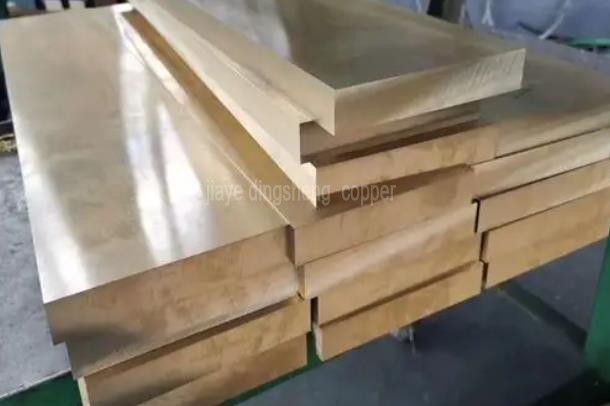
Main Definitions and Characteristics
Material and Grade:
Common grades include ASTM standard C17200 and C17000 in the United States, and EN standard CuBe2 and CW101C in Europe. The beryllium content is generally between 1.6% and 2.1%, and some grades also contain trace amounts of nickel, cobalt, titanium, etc. to improve performance.
Shape and Specifications:
The cross-section is rectangular, with widths typically ranging from a few millimeters to several hundred millimeters, and thicknesses ranging from 0.08 millimeters to several tens of millimeters. Specific specifications are customized as needed. Manufacturers usually supply in terms of "flat bars", "flat wires", "strip", etc., which are essentially the same products.
Performance Characteristics:
High strength, high hardness (up to HRC 36-44 after aging)
Excellent elasticity, anti-fatigue, and wear esistance
Good electrical and thermal conductivity (electric conductivity is approximately 18% - 28% IACS)
Corrosion resistance, non-magnetic, spark-resistant
Good cold and hot processing performance, capable of aging hardening
Production Processes and Standards
Production Process:
Mainly produced through rolling, cutting into flat bars, or drawing with special molds. Common supply states include soft state (O60), semi-hard state (H02), and hard state (H04), selected according to the purpose.
Related Standards:
Global standards apply to beryllium copper flat bars, flat wires, and flat bars, with detailed regulations on chemical composition, dimensional tolerances, mechanical properties, and inspection rules. In industry practice, beryllium copper flat bars mostly follow this standard and the corresponding grade standards.
Typical Applications
Electronics and Electrical: High-precision springs, relays, connectors, conductive contacts, shielding spring sheets, etc.
Mold Manufacturing: Inserts for injection molds, die-casting molds, heat sink cores, components of hot runner systems.
Aerospace and Precision Machinery: High-strength wear-resistant parts, high-temperature elastic elements.
Special components for explosion-proof tools, medical instruments, etc., for use in specific environments.
Common size range
| Item | Specification |
|---|---|
| Material Grades | C17200, C17000, C17300, C17500, C17510 |
| Thickness | 0.08–100 mm (Custom sizes available) |
| Width | 3–1000 mm |
| Length | 1000 mm, 2000 mm, 6000 mm or Custom Cut |
| Supply Form | Flat Bar, Flat Wire, Strip, Plate, Coil |
| Thickness Tolerance | ±0.005–±0.24 mm |
| Width Tolerance | ±0.05–±0.20 mm |
| Standards | ASTM B194, ASTM B196, GB/T 3114, EN Standards |
| Processing Service | Precision Cutting, CNC Machining, OEM & Custom Fabrication |
Leave a Messages