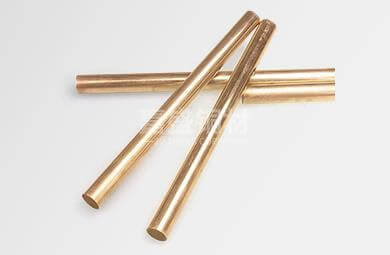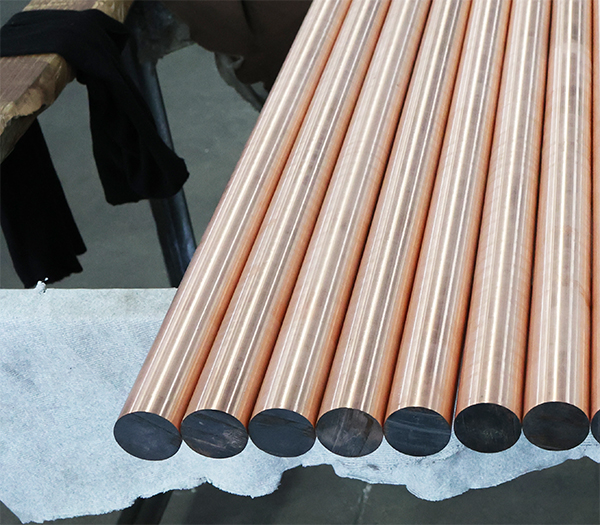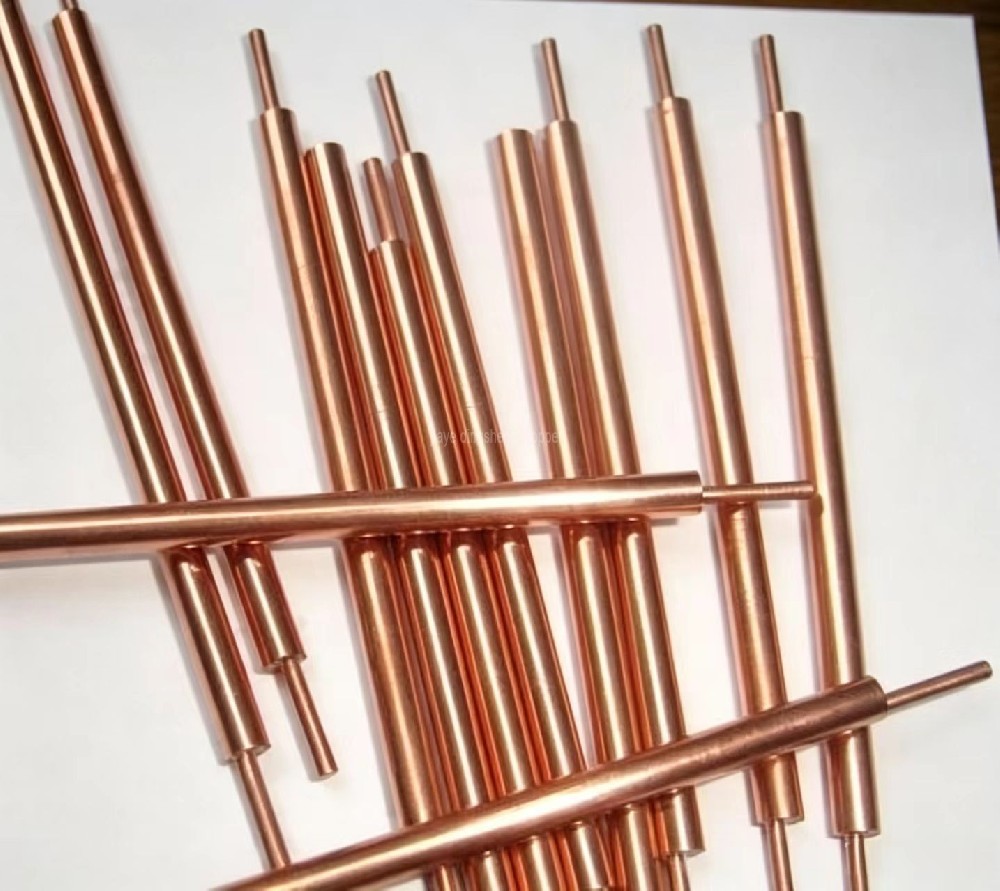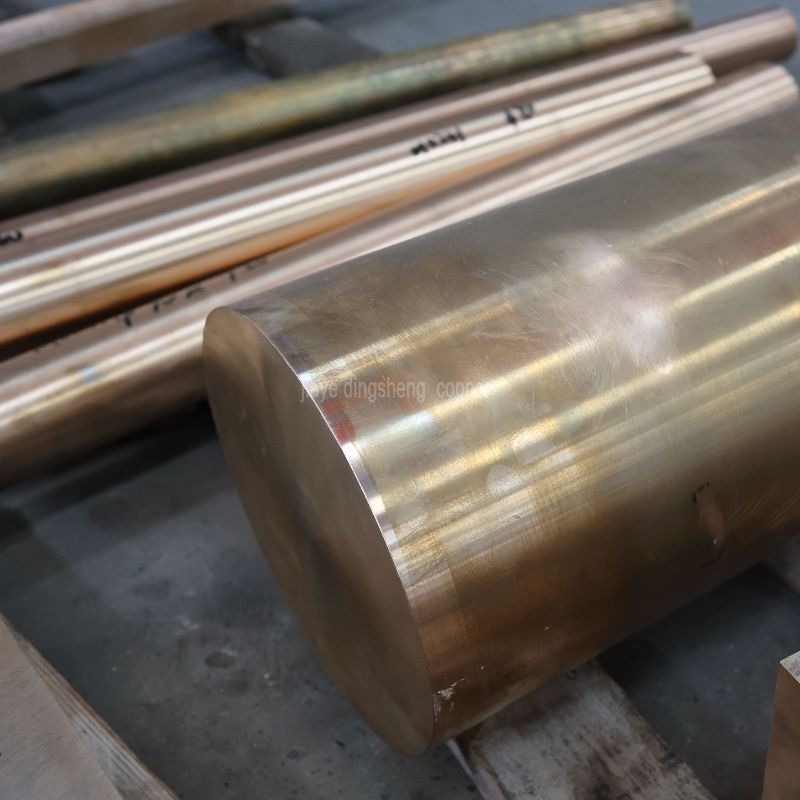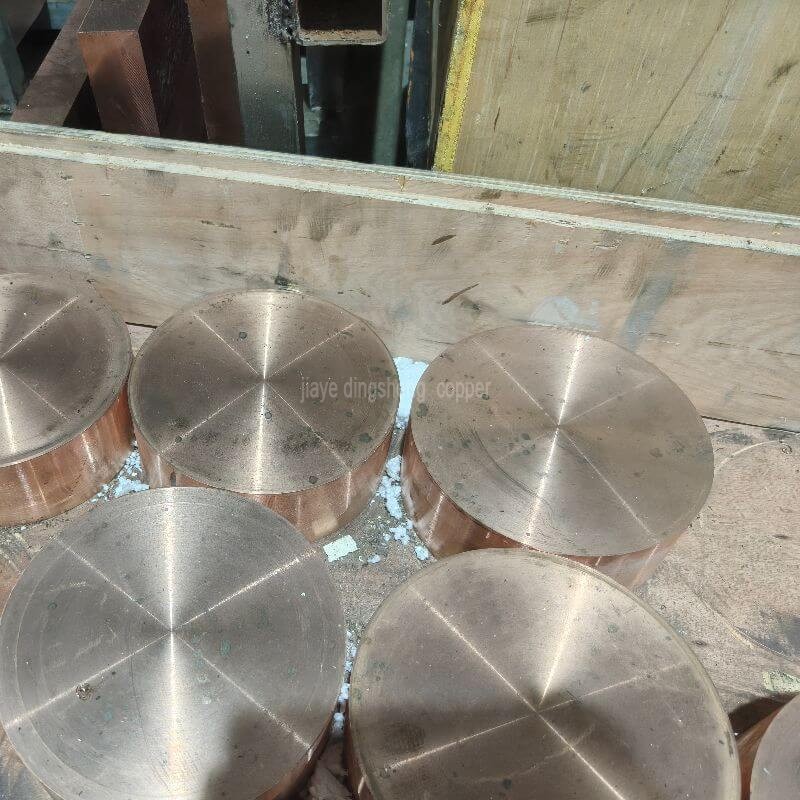
It cannot be generalized that "beryllium copper is stronger than steel". It depends on which type of beryllium copper is compared with which type of steel.
The tensile strength of high-strength beryllium copper (such as C17200 aged state) is approximately 1100–1400 MPa. Its strength exceeds that of "ordinary carbon steel and quenched and tempered alloy steel (such as 4140)", and can be comparable to or even slightly higher than medium-strength steel.
However, high-end high-strength steel and ultra-high-strength steel (martensitic aged steel, certain tool steels, etc.) can achieve tensile strengths of over 1800–2000 MPa. In such cases, "steel is stronger".

A more accurate statement would be:
"High-strength beryllium copper has 'steel-level strength' within the copper alloy, but overall, the strength limit of steel is higher than that of beryllium copper."
Now, I will elaborate clearly from the two perspectives of "data comparison" and "application selection of materials".
The typical strength range is presented for comparison:
1. Beryllium copper (taking the most commonly used C17200 as an example)
Typical high-strength state (such as TH04/HH, etc., after solution treatment + aging):
Tensile strength: approximately 1140–1415 MPa (some sources give values over 1280 MPa, some up to the 1500 MPa range)
Yield strength: approgth: approximately 1035–1300 MPa;
Hardness: approximately HRC 36–46;
Medium strength state (such as TD02, etc., cold processing + less aging):
Tensile strength: approximately 655–900 MPa;

This can be simply understood as:
The fully strengthened beryllium copper has a strength "reaching the level of medium-strength steel";
However, in copper alloys, it is absolutely high-strength, so there is the term "steel in copper" used.
2. The strength range of steel (extremely wide)
Common carbon steel / low-carbon structural steel:
Tensile strength: roughly 300–500 MPa;
Common quenched and tempered alloy steel (such as 4140):
Tensile strength: depending on the heat treatment state, approximately 655–1080 MPa;
High-strength low-alloy steel (automotive high-strength steel, etc.):
Tensile strength: starting from 500–600 MPa, higher grades can reach 1000–1500 MPa;
High-strength alloy steel, ultra-high-strength steel (martensitic aging steel, certain tool steel):
Tensile strength: 1700–2000 MPa or higher;
So the overall "strength range" of steel can be roughly depicted as:
Lower limit: ~300 MPa (soft steel);
Common engineering structural steel: 500–1000 MPa;
High-strength steel: 1000–1500 MPa;
Ultra-high-strength steel: >1700–2000 MPa;
And beryllium copper:
Common high-strength state: 110ximately 1035–1300 MPa;
Hardness: approximately HRC 36–46;
Medium strength state (such as TD02, etc., cold processing + less aging):
Tensile strength: approximately 655–900 MPa;
This can be simply understood as:
The fully strengthened beryllium copper has a strength "reaching the level of medium-strength steel";
However, in copper alloys, it is absolutely a high strength, so there is the term "steel in copper" used.

2. The strength range of steel (extremely wide)
Common carbon steel / low-carbon structural steel:
Tensile strength: roughly 300–500 MPa;
Common quenched and tempered alloy steel (such as 4140):
Tensile strength: depending on the heat treatment state, approximately 655–1080 MPa;
High-strength low-alloy steel (automotive high-strength steel, etc.):
Tensile strength: starting from 500–600 MPa, higher grades can reach 1000–1500 MPa;
High-strength alloy steel, ultra-high strength steel (martensitic aging steel, certain tool steel):
Tensile strength: 1700–2000 MPa or higher;
So the overall "strength range" of steel can be depicted as:
Lower limit: ~300 MPa (soft steel);
Common engineering structural steel: 500–1000 MPa;
High-strength steel: 1000–1500 MPa;
Ultra-high strength steel: >1700–2000 MPa;
And beryllium copper:
Common high-strength state: 1100–1400 MPa;
0–1400 MPa;
Conclusion breakdown: When is "beryllium copper" stronger, and when is "steel" stronger
It can be remembered in several scenarios:
1. Beryllium copper vs. ordinary carbon steel / general structural steel
The tensile strength of ordinary carbon steel and construction steel is generally in the range of 300–500 MPa;
High-strength beryllium copper is 1100–1400 MPa; Conclusion:
As long as the material obtained is "fully effective high-strength beryllium copper", its strength far exceeds that of ordinary carbon steel, and it can be said that it is "stronger than ordinary steel".
2. Beryllium copper vs Common Quenched and Tempered Alloy Steels (such as 4140, some alloy structural steels)
The quenched and tempered strength of alloy steels like 4140 is usually around 655–1080 MPa;
High-strength beryllium copper is 1140–1415 MPa; Conclusion:
The strength of high-strength beryllium copper is generally higher than that of typical quenched and tempered 4140 steel.
So if you are dealing with "commonly used alloy structural steel in industry", high-strength beryllium copper can be considered to be stronger overall.
3. Beryllium copper vs. High-strength Automotive Steel, Martensitic Tempered Steel, etc.
Some high-strength low-alloy steels and ultra-high-strength steels can reach 1700–2000 MPa or even higher;
The upper limit of beryllium copper is roughly arouconclusion breakdown: When is "beryllium copper" stronger, and when is "steel" stronger.
It can be remembered in several scenarios:
1. Beryllium copper vs. ordinary carbon steel / general structural steel
The tensile strength of ordinary carbon steel and construction steel is generally in the range of 300–500 MPa;
High-strength beryllium copper is 1100–1400 MPa; Conclusion:
As long as the material obtained is "fully effective high-strength beryllium copper", its strength far exceeds that of ordinary carbon steel, and it can be said that it is "stronger than ordinary steel".
2. Beryllium copper vs Common Quenched and Tempered Alloy Steels (such as 4140, some alloy structural steels)
The quenched and tempered strength of alloy steels like 4140 is usually around 655–1080 MPa;
High-strength beryllium copper is 1140–1415 MPa; Conclusion:
The strength of high-strength beryllium copper is generally higher than that of typical quenched and tempered 4140 stee
So if you are dealing with "commonly used alloy structural steel in industry", high-strength beryllium copper can be considered to be stronger overall.
3. Beryllium copper vs. High-strength Automotive Steel, Martensitic Tempered Steel, etc.
Some high-strength low-alloy steels and ultra-high-strength steels can reach 1700–2000 MPa or even higher;
The upper limit of beryllium copper is roughly around 1500 MPa, and thend 1500 MPa, and the data is mostly concentrated in the range of 1100–1400 MPa. Conclusion:
Compared to "true ultra-high-strength steel", beryllium copper is not as strong.
At this point, it would be "steel is stronger".
The position of high-strength beryllium copper is roughly in the "moderately high" range, between ordinary alloy steel and ultra-high-strength steel.
Why do people say that "beryllium copper is stronger than steel"?
This statement mainly stems from two points:
1. Compared to other copper alloys, beryllium copper is indeed extremely strong.
The tensile strength of common brass and bronze is mostly in the range of 300–600 MPa;
While beryllium copper can reach 1100–1400 MPa, which is 2–3 times or even more than that of common copper alloys.
So within the copper alloy family, it truly exists "like steel", and thus the term "steel in copper" is used.
2. For many structural steels in engineering, high-strength beryllium copper is indeed not weak either.
In many mechanical and mold applications, ordinary medium-carbon steel and alloy steel quenched and tempered parts are used, with strengths ranging from a few hundred to a little over a thousand;
High-strength beryllium copper is already very competitive in this range, and even has a slight advantage in strength. However,
When you expand the comparison object to "all types of steel (including ultra-high strength data is mostly concentrated in the range of 1100–1400 MPa. Conclusion:
Compared to "true ultra-high-strength steel", beryllium copper is not as strong.
At this point, it would be "steel is stronger".
The position of high-strength beryllium copper is roughly in the "moderately high" range, between ordinary alloy steel and ultra-high-strength steel.
Why do people say that "beryllium copper is stronger than steel"?

This statement mainly stems from two points:
1. Compared to other copper alloys, beryllium copper is indeed extremely strong.
The tensile strength of common brass and bronze is mostly in the range of 300–600 MPa;
While beryllium copper can reach 1100–1400 MPa, which is 2–3 times or even more than that of common copper alloys.
So within the copper alloy family, it truly exists "like steel", and thus the term "steel in copper" is used.
2. For many engineering structural steels, high-strength beryllium copper is indeed not weak either.
In many mechanical and mold applications, ordinary medium-carbon steel and alloy steel quenched and tempered parts are used, with strengths ranging from a few hundred to a little over a thousand;
High-strength beryllium copper is already very competitive within this range, and even has a slight advantage in strength. However,
When you expand the comparison object to "all types of steel (including ultra-high strength steel, tool steel, bearing st steel, tool steel, bearing steel, etc.)", you can no longer say "beryllium copper is definitely stronger than steel". Instead, you can only say "beryllium copper has the strength level of steel among copper alloys, but the upper limit of steel is higher."
Apart from strength, there are many "comparisons in other dimensions"
Often, when choosing materials, it's not just about "who is harder and stronger", but also considering:
1. Conductivity, thermal conductivity
Beryllium copper:
The conductivity is roughly 18–28% IACS, which is in the high conductivity level among copper alloys;
The thermal conductivity is approximately 105–160 W/(m·K), much higher than that of most steels.
Steel:
The conductivity and thermal conductivity of most steels are much lower than that of beryllium copper (the thermal conductivity of steel is usually in the range of tens of W/(m·K)).
So if you want both "high strength" and "good conductivity/heat dissipation", beryllium copper has a significant advantage.
2. Elasticity, fatigue performance
The elastic limit, fatigue strength, and small elastic lag of beryllium copper make it very suitable for making precision springs, elastic contacts, and parts for high-frequency reciprocating motion.
Although many spring steels can also have high strength, in the comprehensive combination of "conductivity + elasticity + non-magnetism + no sparks", beryllium copper is superior to them.
eel, etc.)", you can no longer say "Beryllium copper is definitely stronger than steel". Instead, you can only say "Beryllium copper has the strength level of steel among copper alloys, but the upper limit of steel is higher."
Apart from strength, there are many "comparisons in other dimensions"
Often, when choosing materials, it's not just about "who is harder and stronger", but also considering:
1. Conductivity, thermal conductivity
Beryllium copper:
The conductivity is roughly 18–28% IACS, which is in the high conductivity level among copper alloys;
The thermal conductivity is approximately 105–160 W/(m·K), much higher than that of most steels.
Steel:
The conductivity and thermal conductivity of most steels are much lower than that of beryllium copper (the thermal conductivity of steel is usually in the range of tens of W/(m·K)).
So if you want both "high strength" and "good conductivity/heat dissipation", beryllium copper has a significant advantage.
2. Elasticity, fatigue performance
The elastic limit, fatigue strength, and small elastic lag of beryllium copper make it very suitable for making precision springs, elastic contacts, and parts for high-frequency reciprocating motion.
Although many spring steels can also have high strength, in the comprehensive combination of "conductivity + elasticity + non-magnetism + no sparks", beryllium copper is superior to them.
3. Magnetism 3. Magnetism and explosion-proof, spark-free requirements
Beryllium copper: It is non-magnetic, does not produce sparks upon impact, and is an important material for explosion-proof tools, coal mines, and oil wells.
Steel: Most steels are highly magnetic, and impact will produce sparks, which is not suitable for these special scenarios.
4. Corrosion resistance and environmental resistance
Beryllium copper has better corrosion resistance in air, fresh water, and seawater, and is suitable for marine environments and chemical settings.
Steel requires stainless steel treatment or coating for corrosion prevention, otherwise rusting is obvious.
5. Density and weight
The density of beryllium copper is approximately 8.25–8.3 g/cm³,
The density of steel is roughly 7.8–7.9 g/cm³, and the difference is not too significant. Both are considered "heavy materials", but steel is slightly lighter.
6. Processing and cost
Beryllium copper:
The raw material cost is high, and it is much more expensive than ordinary steel;
Heat treatment (solution + aging) requires precise temperature control;
The processing performance is not bad, but the tool wear is greater than that of processing ordinary steel.
Steel:
The cost is relatively low, and the processing and heat treatment system is very mature;
Through alloying and heat treatment, you can "adjust the desired strength/hardness combination" within a very wide performance range.and explosion-proof, spark-free requirements
Beryllium copper: It is non-magnetic, does not produce sparks upon impact, and is an important material for explosion-proof tools, coal mines, and oil wells.
Steel: Most steels are highly magnetic, and impact will produce sparks, which is not suitable for these special scenarios.
4. Corrosion resistance and environmental resistance
Beryllium copper has better corrosion resistance in air, fresh water, and seawater, and is suitable for marine environments and chemical settings.
Steel requires stainless steel treatment, coating, etc. for corrosion prevention, otherwise, rusting is obvious.
5. Density and weight
The density of beryllium copper is approximately 8.25–8.3 g/cm³,
The density of steel is roughly 7.8–7.9 g/cm³, and the difference is not too significant. Both are considered "heavy materials", but steel is slightly lighter.
6. Processing and cost
Beryllium copper:
The raw material cost is high, and it is much more expensive than ordinary steel;
Heat treatment (solution + aging) requires precise temperature control;
The processing performance is not bad, but the tool wear is greater than that of processing ordinary steel.
Steel:
The cost is relatively low, and the processing and heat treatment system is very mature;
Through alloying and heat treatment, you can "adjust the desired strength/hardness combination" within a very wide performance range.