-
20-year dedicated manufacturer
-
Certified Company
ISO 9001:2015
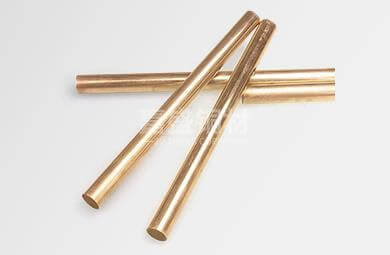
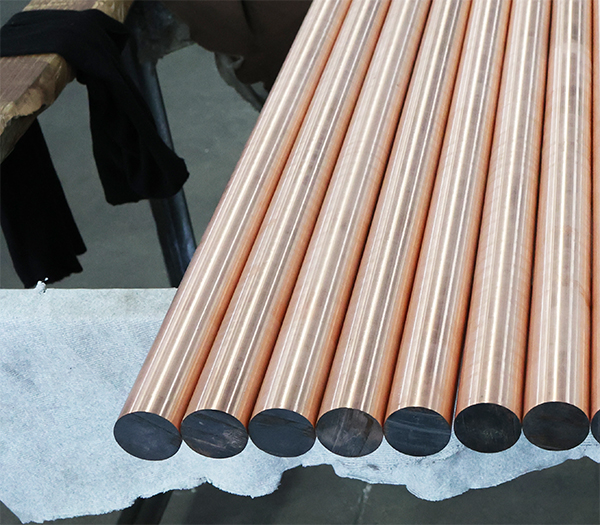

How to Punch Beryllium Copper: Tips for Stamping and Blanking
Punching and blanking beryllium copper requires careful attention to tooling and process parameters. Because beryllium copper work-hardens rapidly and achieves high strength after heat treatment, it behaves differently from standard copper or brass during stamping operations. The following guide covers the key considerations for successfully punching beryllium copper strip and sheet.
Material Condition Matters
Beryllium copper is typically punched in the annealed (soft) or quarter-hard condition before heat treatment. Punching fully hardened beryllium copper is not recommended — the material is too hard and brittle in this state and will cause rapid die wear and cracking. Always punch in the pre-temper condition, then heat treat after forming.
Die Clearance
Correct die clearance is critical. For beryllium copper strip, use a clearance of 4–6% of material thickness per side. Too little clearance causes excessive burring and accelerated die wear. Too much clearance leads to poor edge quality and rollover. For thin strip (under 0.5 mm), stay toward the lower end of this range.
Tooling Material
Use high-speed steel (HSS) or carbide tooling. Beryllium copper is abrasive under repeated stamping, and soft tooling will wear quickly. Carbide tooling is recommended for high-volume production runs. Ensure punch and die surfaces are polished to minimize galling.
Lubrication
Use a light machine oil or dedicated stamping lubricant. Good lubrication reduces friction, improves edge quality, and extends tool life. Apply lubricant consistently to both the strip surface and the tooling. Avoid heavy oils that may be difficult to remove before heat treatment.
Punch Speed
Moderate punch speeds (60–150 strokes per minute for most strip gauges) are recommended. Very high-speed operations can cause heat buildup and reduce edge quality. For precision parts with tight tolerances, slower speeds improve consistency.
Burr and Edge Quality
Some burr is inevitable in punching operations. For beryllium copper, inspect burr height carefully — excessive burr indicates die wear or incorrect clearance. Deburring can be performed by tumbling, belt sanding, or vibratory finishing before or after heat treatment.
Heat Treatment After Punching
After all punching and forming operations are complete, parts are age-hardened (precipitation hardened) to achieve full strength. Typical heat treatment for C17200 is 316°C (600°F) for 2–3 hours. This step transforms the soft formed part into a high-strength precision component.
Safety Note
Beryllium copper dust and fine particles are hazardous if inhaled. When grinding, deburring, or performing any operation that generates dust or fumes, use proper ventilation and personal protective equipment (PPE) in accordance with local health and safety regulations.
For information on available beryllium copper strip and sheet suitable for stamping, contact our team for material specifications and pricing.
# Tags:
-
Beryllium copper stamping,Mold processing,Explosion-proof materials
Is Beryllium Copper Stronger Than Steel?
Previous Post