-
20-year dedicated manufacturer
-
Certified Company
ISO 9001:2015
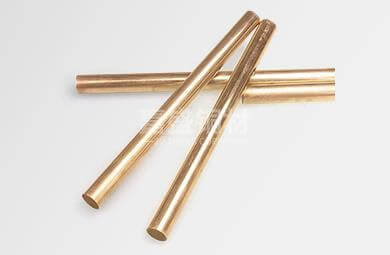
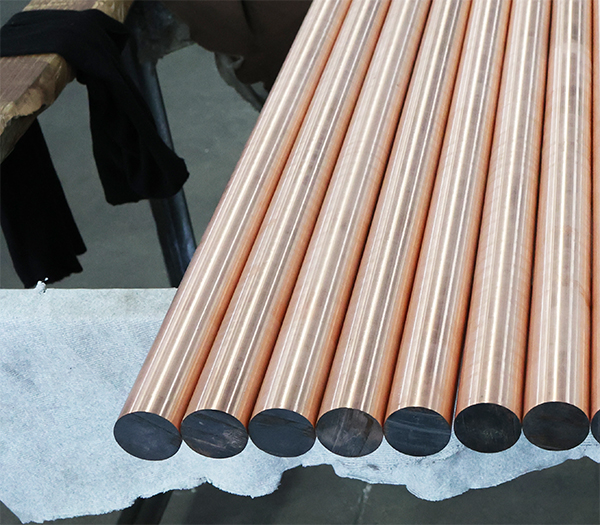

Beryllium Copper vs Phosphor Bronze: Which Alloy Is Right for Your Application?
Most Engineers Reach for Phosphor Bronze First. High-Stakes Applications Demand Something Stronger.
In precision manufacturing and electronics, the difference between a reliable connection and a field failure often comes down to one material decision.
Here's how Beryllium Copper and Phosphor Bronze actually compare — by the numbers:
Core Performance Metrics
| Property | Beryllium Copper (BeCu) | Phosphor Bronze |
|---|---|---|
| Vickers Hardness (HV) | 200 – 420 | 150 – 210 |
| Tensile Strength (MPa) | 1,100 – 1,500 | 500 – 800 |
| Electrical Conductivity (%IACS) | 22 – 60 | 15 – 20 |
| Fatigue Resistance | Excellent — high stress relaxation resistance | Good — prone to relaxation under sustained load |
| Max Operating Temperature | 200°C+ | ~107°C |
Two engineering realities worth knowing:
① Miniaturization without compromise BeCu's superior yield strength-to-modulus ratio means you can design thinner, lighter contact springs that deliver the same force as a bulkier phosphor bronze counterpart. In tightly packaged electronics, that margin matters.
② The 107°C thresholdPhosphor bronze components operating under high stress above 107°C are vulnerable to stress relaxation — gradual loss of spring tension leading to contact failure. BeCu maintains mechanical integrity well past 200°C, making it the material of choice for high-current, high-temperature, or high-vibration environments.
The practical decision framework:
✅ Phosphor Bronze — consumer electronics, household switches, general relays. Strong cost-to-performance ratio for standard-duty applications.
✅ Beryllium Copper — aerospace instrumentation, medical probes, automotive sensors, premium connectors, battery terminals. Wherever failure isn't an option.
Material selection rarely makes headlines — until a component fails in the field.
What alloy are you specifying for your current designs? Drop your experience in the comments.
# Tags:
-
Beryllium Copper ,Phosphor Bronze, Connector Engineering,Material Selection
How to Punch Beryllium Copper: Tips for Stamping and Blanking
Previous Post