-
20-year dedicated manufacturer
-
Certified Company
ISO 9001:2015

Beryllium Copper vs. Brass: What Procurement Teams Need to Know Before Choosing
In copper alloy sourcing, brass and beryllium copper are the two most frequently compared materials — yet their price gap can be staggering. Brass is priced by the ton; beryllium copper is often quoted by the kilogram, sometimes tens of times more expensive. Is this price difference justified by real performance gaps, or is it supplier markup? This article breaks down the core differences from a procurement decision-making perspective.
Brass: The Default Choice for High-Volume Standard Parts
Brass (copper-zinc alloy) is one of the most widely used copper alloys in industrial manufacturing. Common grades include HPb59-1 and C3604.
Its advantages come down to two factors: machinability and cost efficiency. Leaded brass offers exceptional CNC turning performance — high feed rates, low tool wear, and consistent surface finish — making it ideal for large-batch production. Since zinc is significantly cheaper than copper, brass is the most direct way to reduce BOM cost without sacrificing basic conductivity or mechanical strength.
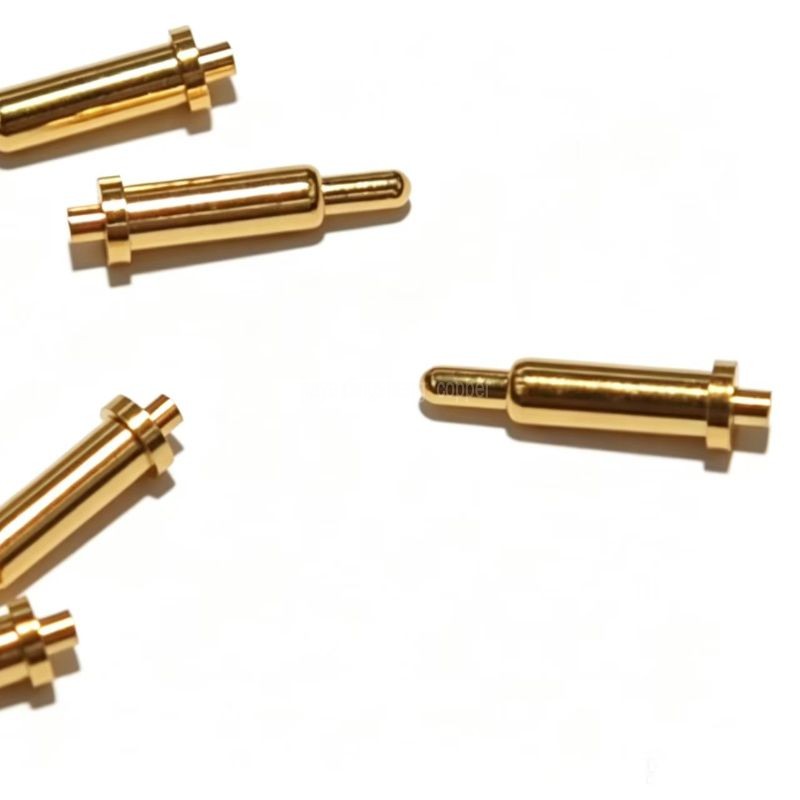
Typical applications: valves, fittings, threaded components, lock cylinders, standard conductive spring contacts.
Beryllium Copper: The Only Option for Extreme Conditions
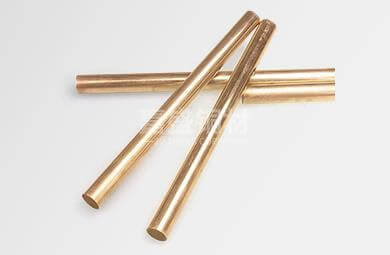
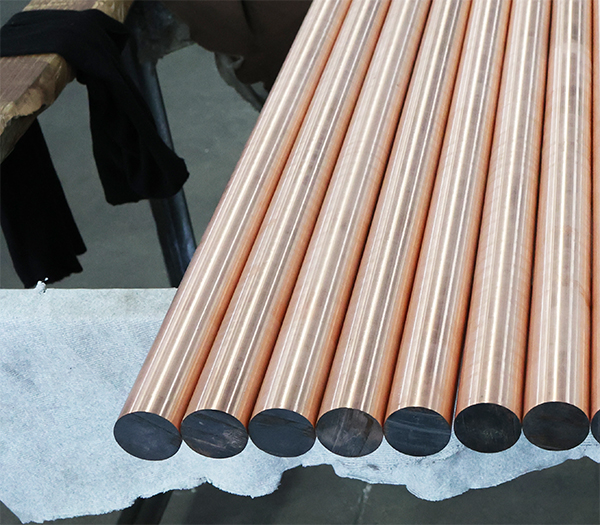
Beryllium copper (copper-beryllium alloy) overcomes the fundamental trade-off between strength and conductivity that limits most copper alloys. By adding a small amount of beryllium (0.5%–2.0%) followed by precipitation hardening heat treatment, the material undergoes a dramatic performance transformation. Common grades: QBe2 / C17200.
Key performance comparison:
| Property | Brass (HPb59-1) | Beryllium Copper (C17200, hardened) |
|---|---|---|
| Tensile Strength | 300–400 MPa | Up to 1,400 MPa |
| Electrical Conductivity | ~26% IACS | 20–50% IACS |
| Elastic Limit | Low — prone to permanent deformation under repeated stress | High — capable of millions of fatigue cycles |
| Operating Temperature | Stress relaxation above 100°C | Retains elasticity and conductivity at 200°C |
| Spark Resistance | None | Non-sparking on impact — safe for flammable environments |
Typical applications: EV charging connector terminals, chip test probes (Pogo Pins), aerospace connectors, oil and gas anti-spark tools, precision relay spring contacts.
Three Questions to Confirm Before Placing an Order
1. Does your supplier have certified beryllium copper processing capability?
Beryllium copper in finished form is safe and non-toxic. However, the dust generated during machining, grinding, or polishing is highly toxic and can cause irreversible lung damage. Regulatory requirements for ventilation, dust extraction, and emissions in beryllium processing facilities are strict. Always verify your supplier's environmental compliance certifications and facility conditions. Small, unqualified workshops cannot guarantee machining quality — and carry significant regulatory liability.
2. Does your application actually require beryllium copper?
The value of beryllium copper lies in its irreplaceability under extreme conditions, not in general-purpose use. If your application does not involve high fatigue cycles, elevated temperatures, or spark-hazard environments, mid-range alloys such as chromium zirconium copper or phosphor bronze can often meet requirements at substantially lower cost. There is no need to default to beryllium copper.
3. Are there dissimilar metals in direct contact in your design?
Beryllium copper in direct contact with aluminum components can undergo galvanic corrosion in humid environments. This typically requires a nickel or gold plating layer as an isolation barrier — an additional surface treatment cost that should be factored into total procurement budgets.
Conclusion
Brass is the right choice for cost-sensitive, high-volume, standard-condition applications. Beryllium copper is the right choice for precision functional components where fatigue life, thermal stability, and electrical reliability are non-negotiable. Neither material is inherently superior — placing the wrong one is where the real cost lies.
For material selection consultation on specific part geometries or operating conditions, please contact our technical team.
Article Summary (for listing page):
Brass and beryllium copper are both copper alloys, but their performance profiles and price points differ dramatically. This article compares the two materials across tensile strength, conductivity, fatigue life, and thermal resistance, and highlights three critical procurement risks specific to beryllium copper: supplier qualification, application suitability, and galvanic corrosion in mixed-metal assemblies — helping sourcing teams make better-informed material decisions.
# Tags:
-
copper alloy, material selection, BeCu, C17200, procurement, engineering materials, spring contacts, electrical conductivity , beryllium copper, brass
Beryllium Copper vs Phosphor Bronze: Which Alloy Is Right for Your Application?
Previous Post