-
20-year dedicated manufacturer
-
Certified Company
ISO 9001:2015
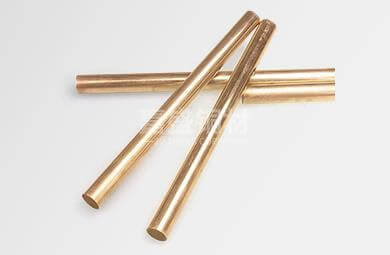
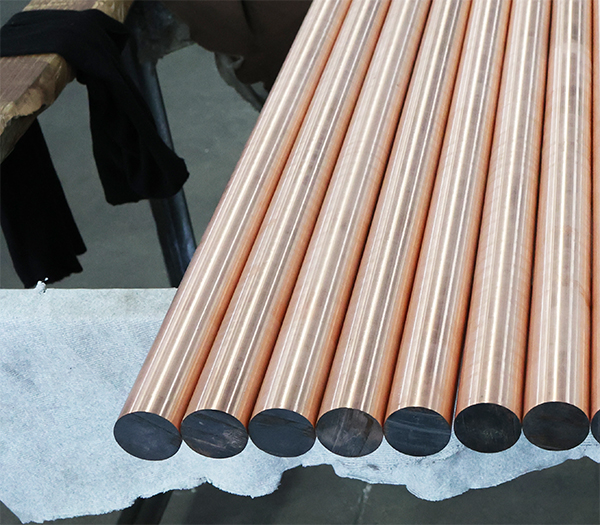

Beryllium Copper in NEVs: Why Choose It for Connectors and Relays?
The rapid proliferation of New Energy Vehicles has placed unprecedented demands on component materials. With battery system voltages surging from early 400V to 800V platforms, operating currents frequently exceeding 200A, combined with sustained high temperatures inside the cabin and tens of thousands of mating cycles, traditional spring materials are no longer adequate. Beryllium copper alloys, with their unique combination of properties, are rapidly becoming the mainstream solution in this sector.
The Triple Test for Materials in NEV Scenarios
Simultaneous Demand for Electrical Conductivity and Elasticity
The Limitation of Traditional Materials: While ordinary spring steel offers excellent elasticity, its extremely low electrical conductivity leads to severe thermal loss when used in high-current connectors. Phosphor bronze has acceptable conductivity, but its elastic modulus and fatigue strength fall significantly short compared to beryllium copper.
The Beryllium Copper Advantage: Beryllium copper achieves an electrical conductivity of 15 to 60 percent IACS alongside a tensile strength exceeding 1000MPa. This dual capability is an advantage that other materials struggle to replicate.
Fatigue Life Determining the Lower Limit of Reliability
Over the vehicle lifecycle, charging ports and module to module connectors may undergo over 10,000 insertion and removal cycles.
After aging treatment, beryllium copper exhibits a high elastic limit and strong resistance to stress relaxation. It resists permanent deformation under repeated cyclic loading, ensuring minimal decay in contact pressure and consistently low contact resistance.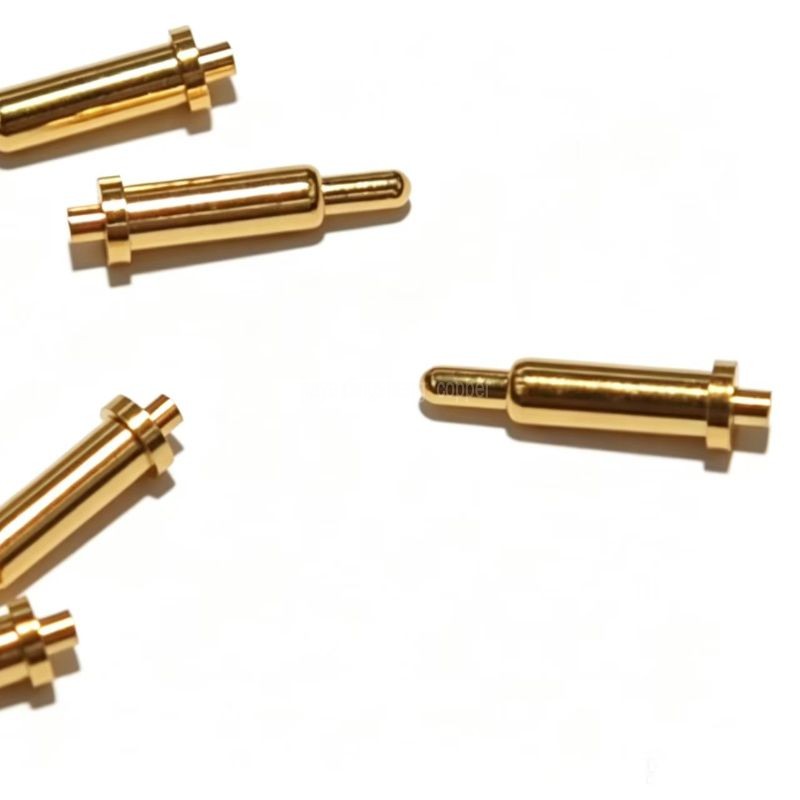
Temperature Resistance Affecting the Safety Boundary
The operating temperature range of the power battery compartment is wide, with noticeable localized temperature spikes during fast charging.
The softening temperature of beryllium copper is typically above 300 degrees Celsius. It retains its elastic properties even in high temperature environments, preventing contact failure caused by creep, a factor critical to the safety of high voltage systems.
Material Selection Logic for Two Key Components
Battery Connectors: Prioritizing High Conductivity and Vibration Resistance
Core Requirement: Maintain ultra low contact resistance during high current flow while providing sufficient contact pressure to resist vibration induced loosening.
Preferred Grades: Alloys such as C17500 or C18150 are typically prioritized. They offer higher electrical conductivity and excellent temperature rise control, making them perfect for connections between battery modules where thermal management is strict.
High Voltage Relay Springs: Prioritizing High Strength and Precision Formability
Core Requirement: Withstand mechanical loads and arc impacts during fast switching, maintaining precise travel and contact pressure after millions of operations.
Preferred Grades: C17200 stands out as the primary choice for such components. Following heat treatment, its hardness can reach over HRC40, coupled with outstanding dimensional stability, making it highly suitable for precision progressive die stamping.
Conclusion
Transitioning from 400V to 800V means NEV connection reliability requirements will only become more stringent. While beryllium copper is not a cure all material, it remains the most comprehensively balanced solution for applications where elasticity, conductivity, and temperature resistance must all be met simultaneously.
# Tags:
-
C17200, C17500, C18150, New Energy Vehicles, Battery Connectors, High Voltage Relays, EV Components ,Beryllium Copper

Beryllium Copper vs. Brass: What Procurement Teams Need to Know Before Choosing
Previous Post