-
20-year dedicated manufacturer
-
Certified Company
ISO 9001:2015
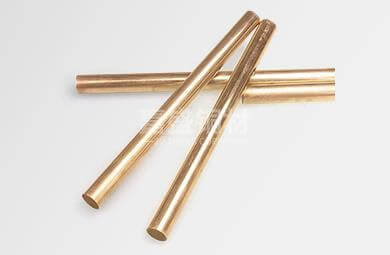
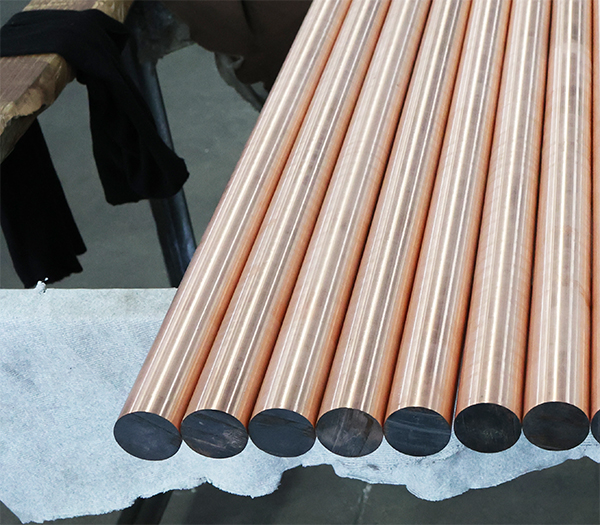

Chromium Zirconium Copper (C18150) Market Supply & Demand Analysis: H1 2026
Executive Summary
Chromium zirconium copper (CuCrZr, alloy C18150) maintained steady growth momentum in the first half of 2026, driven by accelerating electrification across automotive, energy, and advanced manufacturing sectors. The alloy's unique combination of high electrical conductivity (80–85% IACS) and elevated temperature strength (up to 550 MPa tensile strength after aging) positions it as a critical material for demanding applications where standard copper or even beryllium copper falls short.
1. Market Price Dynamics
1.1 Domestic Price Range (China)
In H1 2026, chromium zirconium copper (C18150/C18200) traded in the range of 85–110 RMB/kg for standard grades, with premium precision-machined rod and bar products commanding prices at the upper end of the spectrum. Bulk procurement typically secured discounts of 5–10%.
Price volatility tracked closely with LME electrolytic copper futures, as copper constitutes the primary raw material cost. Chromium and zirconium additive costs contributed secondary pressure, particularly during Q2 when spot prices for ferrochrome experienced a modest uptick.
1.2 International Benchmark
Global finished CuCrZr products held steady in the $15–18/kg range, with North American and European markets showing slight premiums due to supply-chain regionalization trends and stricter compliance requirements under OSHA and EU REACH frameworks.
2. Demand Drivers by Sector
2.1 Electric Vehicle Manufacturing
The EV sector emerged as the single largest growth engine for CuCrZr demand in H1 2026. Resistance welding electrodes, busbar joining consumables, and high-current connectors all require the alloy's conductivity-strength balance. With global EV production scaling toward 30 million units annually by 2030, CuCrZr consumption in this segment is projected to grow at a compound annual rate of 8–12% through 2030.
2.2 Additive Manufacturing & 3D Printing
The CuCrZr powder segment saw significant capacity expansion in early 2026. Major producers including Sandvik (Osprey C18150), 6K Additive, and Bright Laser Technologies scaled powder production for laser powder bed fusion (LPBF) applications. In March 2026, Bright Laser Technologies announced its 100,000th copper part milestone, validating CuCrZr-class powder for industrial-scale series production. 6K Additive broke ground on a major facility expansion targeting a fivefold capacity increase by year-end.
2.3 Power Electronics & 5G Infrastructure
CuCrZr's softening resistance above 500°C makes it ideal for high-power semiconductor packaging, plasma-facing heat sinks, and 5G base-station thermal management components. Demand from these sectors showed consistent quarter-over-quarter growth in H1 2026.
2.4 Substitution for Beryllium Copper
Tightened OSHA and EU REACH exposure limits on beryllium accelerated structural substitution toward CuCrZr in applications previously dominated by beryllium copper alloys. This trend is expected to sustain medium-to-long-term demand growth.
3. Supply Landscape
3.1 Global Production Capacity
The global CuCrZr powder market was valued at approximately $1.8 billion in 2025 and is projected to reach $3.2 billion by 2034, expanding at a CAGR of 6.6%. Key producers include:
Sandvik (Osprey C18150 powder)
Materion Corporation
Kymera International
6K Additive
Plansee Group
Hoganas AB
In China, Shanghai Truer Technology and Shanghai CNPC Powder Material scaled PREP (plasma rotating electrode process) capacity for ultra-clean, low-oxygen spherical CuCrZr powder targeting export markets.
3.2 China's Position
China remains both the world's largest copper smelter and largest alloy consumer. However, despite a 96% self-sufficiency rate for general copper semis, high-end alloy products—including premium-grade CuCrZr for aerospace and semiconductor applications—still rely partially on imports. The "2026 China Copper Alloy Materials Sourcing Guide" initiative, led by Shanghai Metals Market (SMM), aims to accelerate localization of high-performance copper alloy supply chains.
4. Key Challenges
4.1 Raw Material Cost Pressure
Electrolytic copper price volatility remains the dominant cost variable. Procurement teams increasingly adopt futures hedging and long-term supply agreements to mitigate margin risk.
4.2 Quality Consistency
Meeting ASTM/GB standards for high-conductivity alloys requires tight control over oxygen content, grain structure, and precipitation hardening parameters. Inconsistent quality from smaller producers creates market fragmentation.
4.3 Regulatory Compliance
EU REACH and evolving U.S. domestic-content provisions under the CHIPS Act and IRA are reshaping supply chains, favoring producers with certified, traceable manufacturing processes.
5. H2 2026 Outlook
| Factor | Forecast |
|---|---|
| Price Trend | Stable to slightly upward, tracking LME copper |
| Demand Growth | 8–12% YoY in EV and AM segments |
| Supply Expansion | Continued capacity buildout in powder metallurgy |
| Key Risk | Electrolytic copper price volatility; geopolitical trade friction |
The chromium zirconium copper market is positioned for sustained expansion through H2 2026 and beyond, underpinned by multi-sector electrification, additive manufacturing industrialization, and ongoing substitution away from beryllium-containing alloys.
# Tags:
-
C18150, CuCrZr, chrome copper market, copper alloy supply demand, 2026 market analysis, beryllium copper alternative, resistance welding electrode material
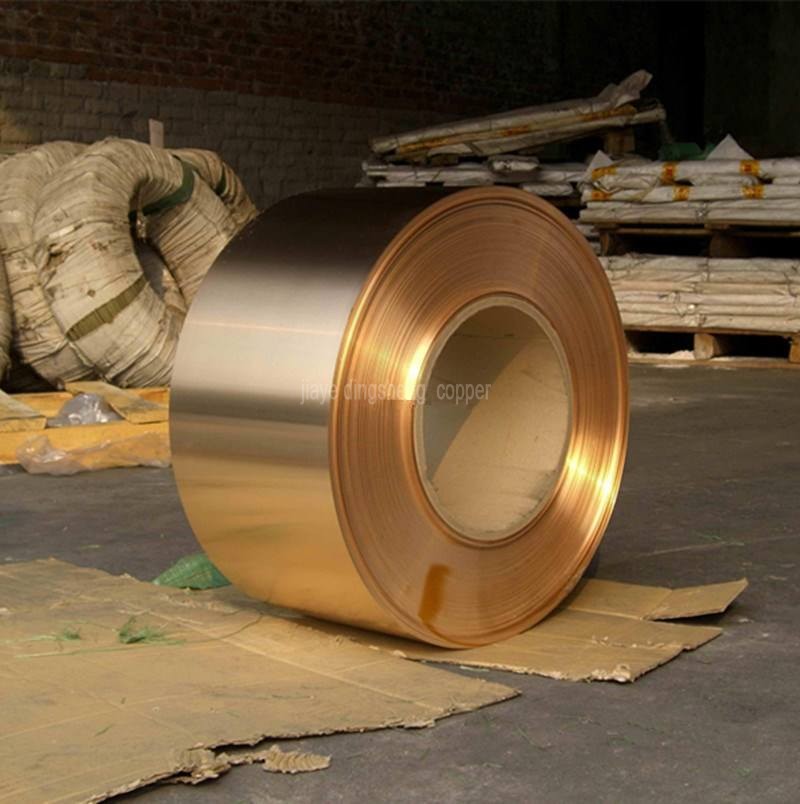
Beryllium Copper Strip: Manufacturing Process and Quality Control
Previous Post