-
20-year dedicated manufacturer
-
Certified Company
ISO 9001:2015
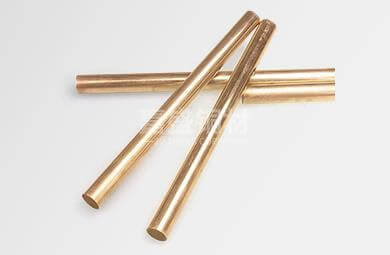
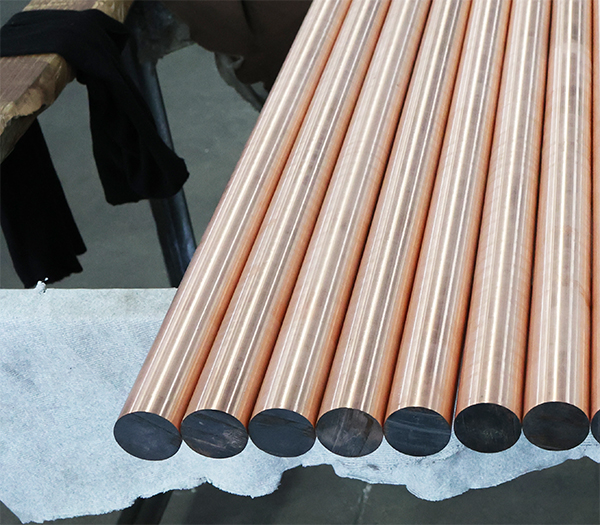

Most Copper Alloys Make You Compromise. C72900 Doesn't.
Most copper alloys make you choose.
Higher strength? Conductivity takes a hit.
Better corrosion resistance? Machinability suffers.
Good weldability? Strength falls short.
C72900 Copper-Nickel alloy is one of the rare materials that doesn't ask you to compromise.
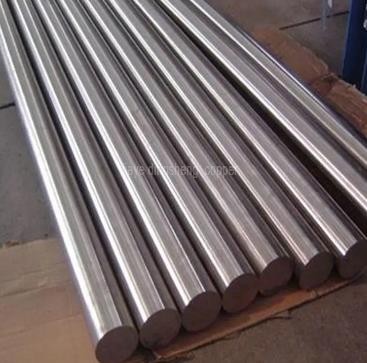
What's inside C72900:
With approximately 45% copper and 45% nickel — plus controlled additions of chromium and iron — C72900 sits at a performance intersection that most alloys can't reach:
Tensile Strength: up to 750 MPa — structural-grade strength from a copper alloy
High-Temperature Stability: maintains mechanical properties under sustained high-temperature, high-pressure service
Weldability: mature TIG/MIG procedures, high-integrity weld joints, assembly-friendly
Corrosion Resistance: outstanding in seawater, hot brine, and aggressive chemical process environments
Conductivity: meaningfully higher than pure nickel — qualifies for electrical and signal contact applications
Where engineers are specifying C72900:
→ High-end electrical connectors — strength and corrosion resistance combined, built for harsh deployment environments where standard alloys degrade
→ Aerospace hydraulic systems — survives high-pressure, wide thermal cycling; better strength-to-weight ratio than steel alternatives
→ Nuclear power condenser components — radiation-stable, corrosion-resistant, proven in long-duration service without degradation
→ Subsea oil and gas equipment — handles extreme hydrostatic pressure, near-freezing temperatures, and concentrated seawater simultaneously
→ Chemical reactor linings and internals — withstands concentrated acids, chloride-rich media, and high mechanical load over extended service life
Why does C72900 outperform standard nickel-copper alloys in demanding markets?
Standard white copper alloys (B10, B19) rely on solid-solution strengthening — a mechanism with a hard ceiling.
C72900's near-50% nickel content, combined with precipitation-hardening through chromium additions, pushes corrosion resistance and strength upward together — without dragging weldability or machinability down with them.
That balance is genuinely rare in the copper-nickel alloy family. Most alloy development forces a tradeoff somewhere. C72900 is one of the few that doesn't.
For demanding engineering applications, C72900 isn't over-specification — it's exactly right.
We supply C72900 in rod and plate form, with full material certification, chemical composition reports, and third-party mechanical testing available for high-temperature and high-pressure service requirements. Factory direct, flexible MOQ, global shipping.
Have you worked with C72900 in aerospace, nuclear, or subsea applications? What were the critical material requirements that drove the selection? Drop a comment — always interested in how engineers are solving these problems in the field.
# Tags:
-
C72900,Copper Nickel Alloy,Aerospace Materials,Nuclear Engineering,Subsea Engineering,High EndConnectors,Copper Alloys,Corrosion Resistance,Material Engineering,High Performance Alloys
Why Resistance Welding Engineers Are Switching from Pure Copper to C18150 Chrome Zirconium Copper?
Previous Post