-
20-year dedicated manufacturer
-
Certified Company
ISO 9001:2015
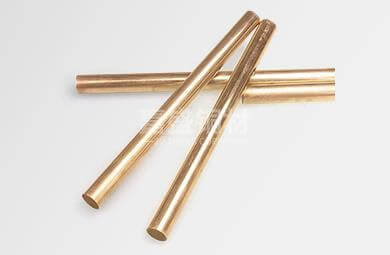
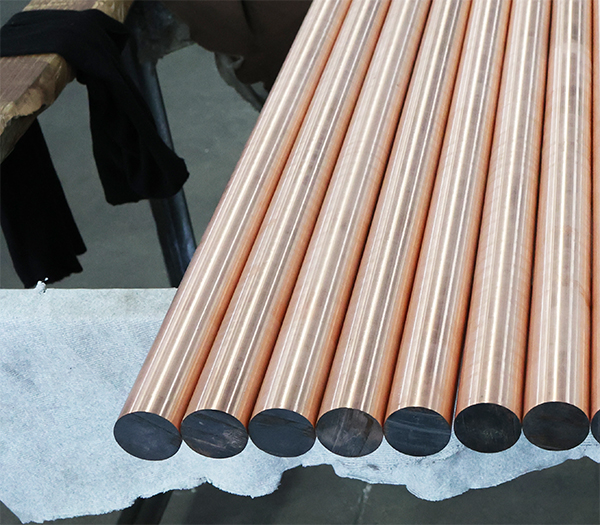

Why Resistance Welding Engineers Are Switching from Pure Copper to C18150 Chrome Zirconium Copper?
Pure copper electrodes used to be the standard in resistance welding.
They still are — in shops that haven't done the math yet.
Here's the problem with pure copper electrodes:
They soften under heat. Fast. After just a few thousand welds, the tip deforms, contact area grows, current density drops, and weld quality becomes inconsistent. You're either stopping to re-dress the tip, or scrapping parts.
C18150 Chrome Zirconium Copper fixes all of this.
The numbers tell the story:
Conductivity: ~85% IACS — nearly as conductive as pure copper
Hardness: HRB 70–80 (vs ~40 for pure copper)
Softening Temperature: 500°C+ (pure copper softens around 200°C)
Electrode Life: 3–5× longer between dressing cycles
That gap in softening temperature is the key. In resistance spot welding, the electrode tip reaches 300–400°C on every cycle. Pure copper gives up at that temperature. C18150 doesn't even flinch.
The result: more consistent welds, less downtime, lower cost per weld over the electrode's full life.
Beyond welding, C18150 also shows up in: → Injection mold cores (fast heat transfer + no deformation) → High-current electrical contacts → Spot welding guns for automotive body shops
If you're still specifying pure copper for your welding electrodes, the upgrade math is simple — and it works in your favor every time.
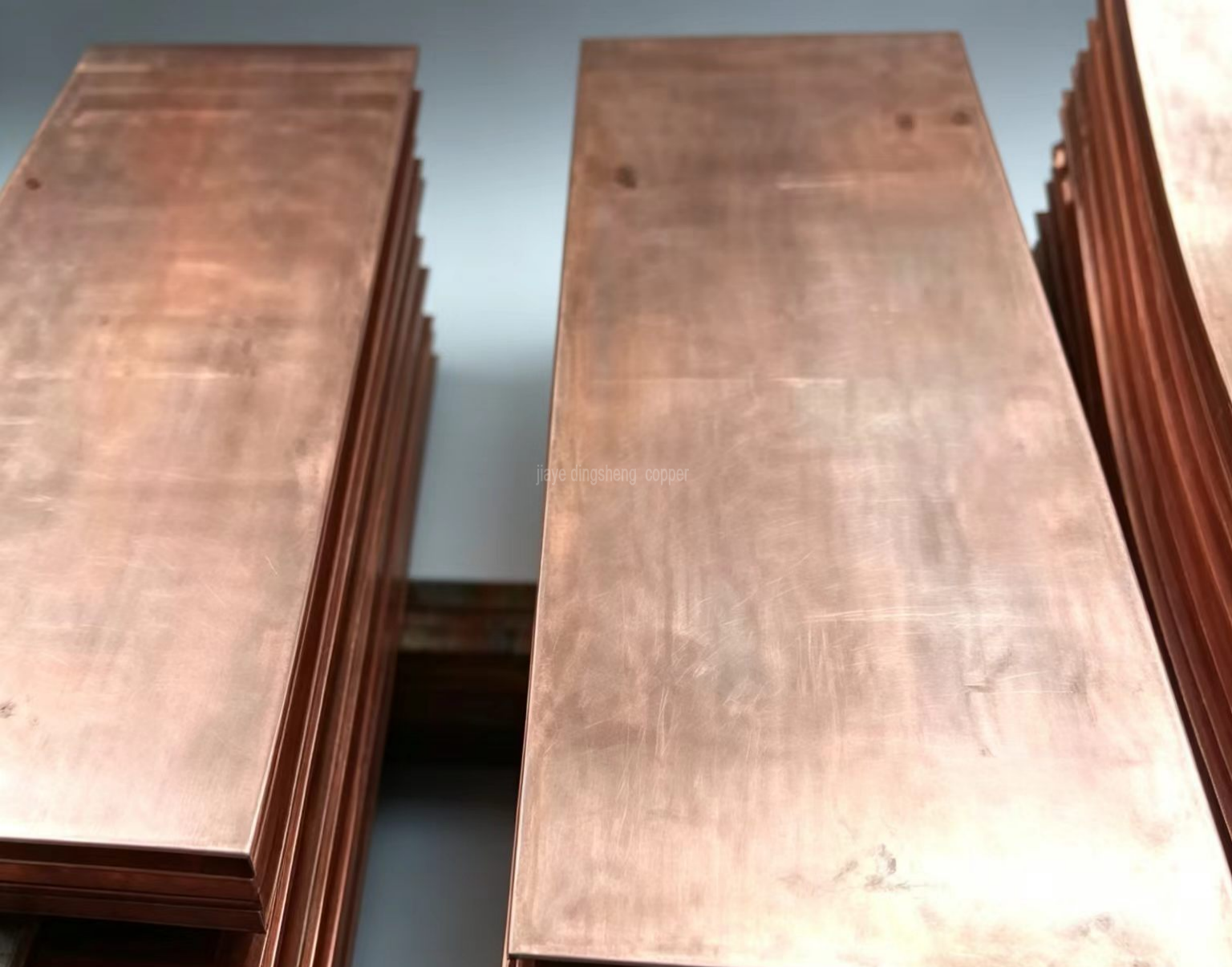
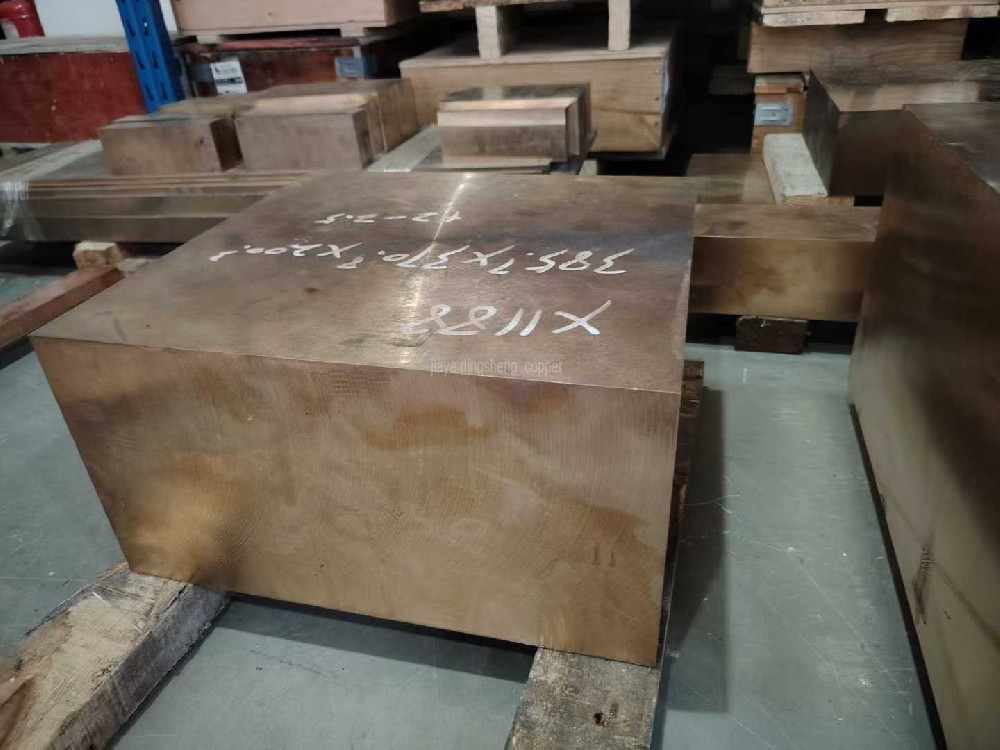
We supply C18150 Chrome Zirconium Copper in rod, plate, and custom-cut forms. Factory direct, ASTM compliant, global shipping.
Are you using CuCrZr alloys in your welding or mold applications? What's your biggest challenge with electrode life?
# Tags:
-
Chrom Zirconium Copper,C18150,Resistance Welding,Welding Engineering,Mold Making,Copper Alloys,Manufacturing Engineering,Electrode Life
Premium ASTM B196 C17200 Beryllium Copper Bars: Factory-Direct Supply with Flexible MOQ
Previous Post