-
20-year dedicated manufacturer
-
Certified Company
ISO 9001:2015

What Is Beryllium Copper? A Complete Beginner's Guide
Introduction
If you are new to copper alloys, you may be wondering: what exactly is beryllium copper, and why is it used in such diverse industries—from aerospace to plastic molds, from oilfield safety tools to smartphone connectors? This guide gives you a clear, practical overview without burying you in metallurgy jargon.
Beryllium copper (BeCu), also known as copper beryllium or beryllium bronze, is a copper alloy that contains a small percentage of beryllium—typically 0.4% to 2.0%. That seemingly tiny addition transforms ordinary copper into one of the strongest, most versatile copper alloys available today.
Composition and Grades
The two main families of beryllium copper are high-strength alloys (C17000, C17200, C17300) and high-conductivity alloys (C17500, C17510). The high-strength grades contain 1.6–2.0% beryllium and deliver tensile strengths up to 1,400 MPa after heat treatment. The high-conductivity grades contain 0.2–0.7% beryllium combined with cobalt or nickel, prioritizing electrical and thermal conductivity.
C17200 (also known as Alloy 25 or CuBe2) is the most widely used grade, accounting for an estimated 60% of global BeCu consumption. C17500 (Alloy 10) is preferred where conductivity matters more than ultimate strength.
Key Properties
Beryllium copper combines a remarkable set of properties that no single other copper alloy can match simultaneously:
• High strength: After age hardening, C17200 reaches 1,100–1,400 MPa tensile strength—comparable to some steels.
• Excellent conductivity: 15–25% IACS for high-strength grades, 45–60% IACS for high-conductivity grades.
• Non-sparking: Will not produce sparks when struck against steel—critical for explosion-proof tools.
• Non-magnetic: Ideal for sensitive electronic and instrumentation applications.
• Corrosion resistance: Performs well in seawater, acidic, and marine environments.
• Wear resistance: Suitable for bearings, bushings, and high-cycle spring contacts.
• Temperature stability: Retains properties from cryogenic temperatures up to 250–300 °C.
How It Is Made
Beryllium copper is produced by melting copper with beryllium (and cobalt or nickel) in a vacuum furnace to prevent oxidation. The melt is then cast into ingots, which are hot-worked by forging or rolling, followed by cold working to achieve the desired dimensions and mechanical properties.
The final strength is unlocked through precipitation hardening (age hardening)—typically 3 hours at 315 °C for C17200. This heat treatment causes beryllium-rich particles to precipitate within the copper matrix, dramatically increasing strength and hardness.
Common Forms and Products
Beryllium copper is supplied in several forms, each suited to different applications:
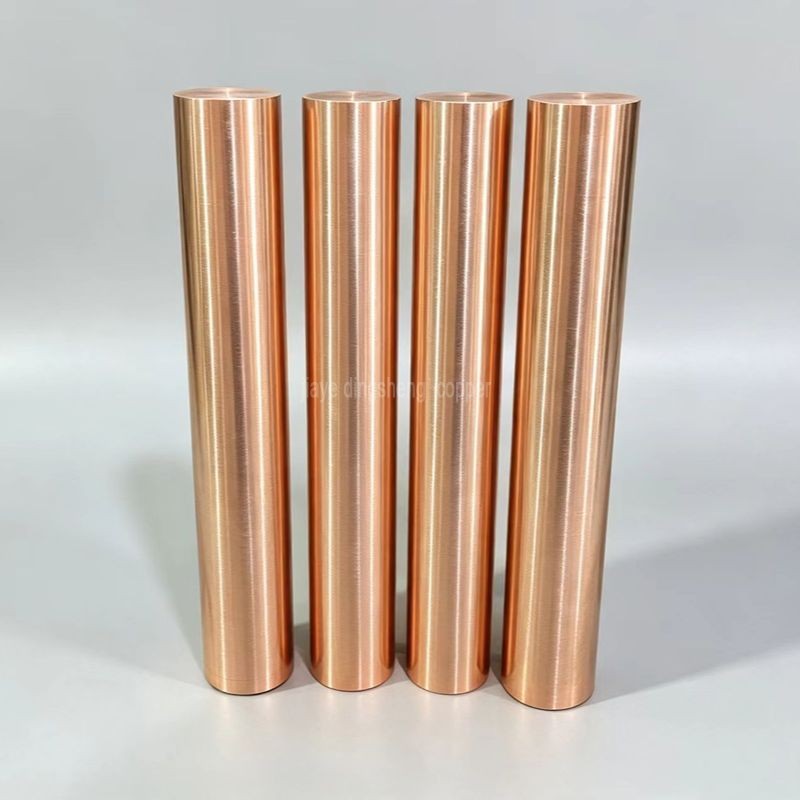
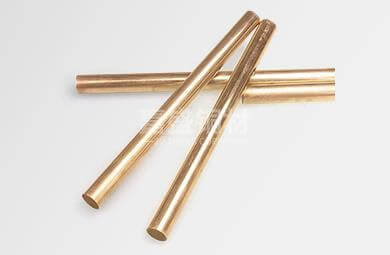
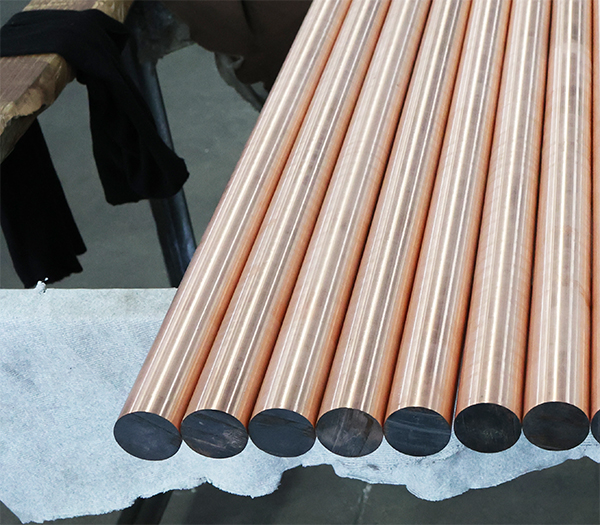
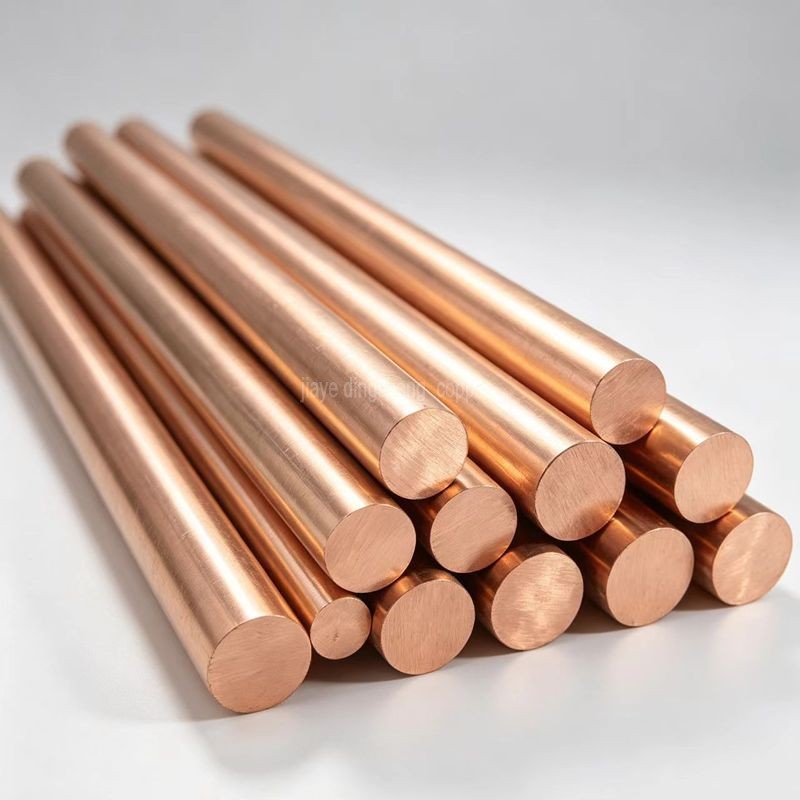
• Rod & bar: For machined components, bushings, electrodes, and non-sparking tools.
• Strip & foil: For electronic connectors, springs, contacts, and relay parts.
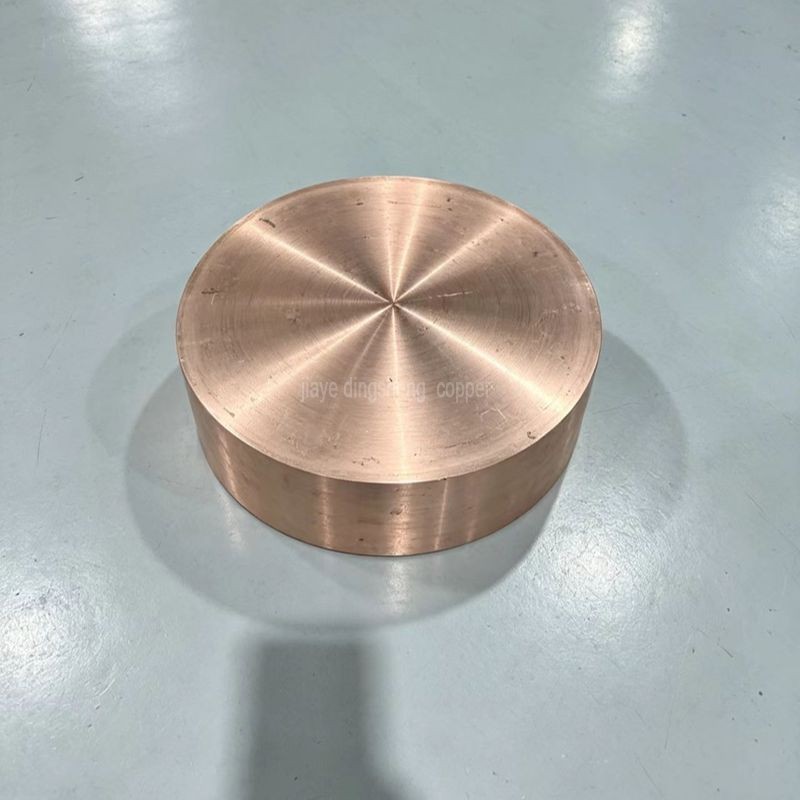
• Plate: For plastic injection molds and die-casting components.
• Wire: For springs, brushes, and specialized fasteners.
Major Applications
BeCu is used across industries wherever high strength, conductivity, and reliability are required:
• Plastic molds: Inserts and cores in injection molds, where thermal conductivity shortens cycle times.
• Oil & gas: Non-sparking wrenches, hammers, and tools for hazardous environments.
• Electronics: Battery contacts, connector springs, switch parts in smartphones and wearables.
• Aerospace: Bearing bushes, structural components, and instrumentation parts.
• Automotive: EV battery components, sensor housings, and fuel system parts.
• Marine: Valve stems, pump components, and propeller parts exposed to seawater.
# Tags:
-
Alloy 25, Beryllium Copper, BeCu, C17200, Copper Alloy, Non-sparking Tools
Beryllium Copper Rod vs. Bar vs. Strip: How to Select the Right Form?
Previous Post