-
20-year dedicated manufacturer
-
Certified Company
ISO 9001:2015

Tin Vs Brass: Key Differences & Industrial Uses
Tin and brass are two widely used non-ferrous metals in industrial manufacturing, hardware, electronics and marine engineering. Understanding their differences helps global buyers and engineers pick the right material for production.
What Is Tin
Tin is a soft, silvery-white pure metal with low melting point, great corrosion resistance and non-toxic feature.
It is mainly used for solder, electroplating anti-rust coating, alloy additive and food-grade packaging.
Low hardness and poor mechanical strength make tin unsuitable for load-bearing structural parts.
What Is Brass
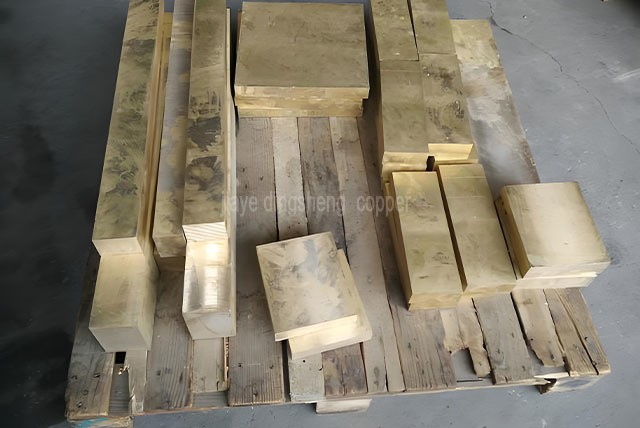
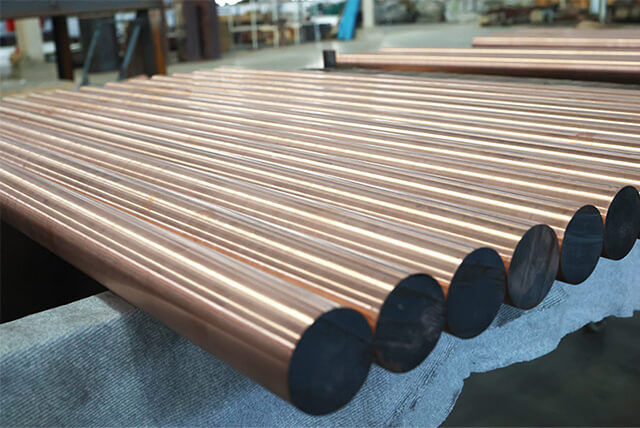
Brass is a copper-zinc alloy, famous for good machinability, high strength, thermal conductivity and wear resistance.
It can be made into rod, sheet, pipe and custom hardware parts.
Widely applied in plumbing valves, electrical connectors, auto parts, marine hardware and precision mechanical components.
Main Differences
1. Composition: Tin is pure metal; Brass is copper-zinc alloy.
2. Strength & Hardness: Tin soft and weak; Brass high strength and durable.
3. Processing: Tin easy to melt; Brass perfect for cutting, forging and mass production.
4. Usage: Tin for welding, coating and alloying; Brass for structural and hardware parts.
Which One To Choose
Choose tin for soldering, anti-corrosion plating and alloy raw materials.Choose brass for high-strength hardware, plumbing, electronics and industrial components.
We supply premium brass, tin bronze and beryllium copper alloys (C17200, C18000) with stable quality and custom processing. Contact us for your material solution.
# Tags:
-
Tin Vs Brass, Tin Metal, Brass Alloy, Tin And Brass Difference, Industrial Metal Materials, Copper Alloy, Beryllium Copper, Brass Material Application, Tin Metal Uses, Non Ferrous Metal
Beryllium Copper Hot Runner Insert: Material & Cost Guide
Previous Post