-
20-year dedicated manufacturer
-
Certified Company
ISO 9001:2015
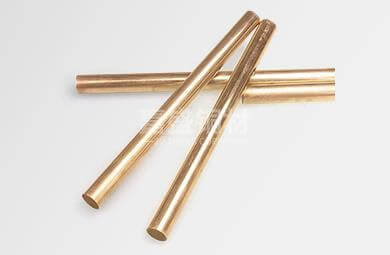
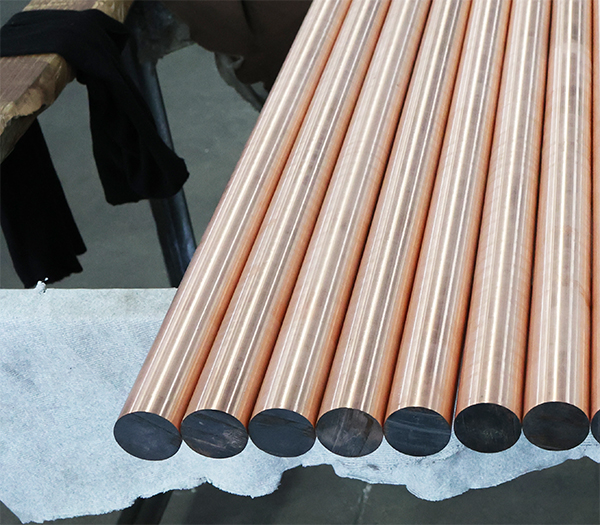

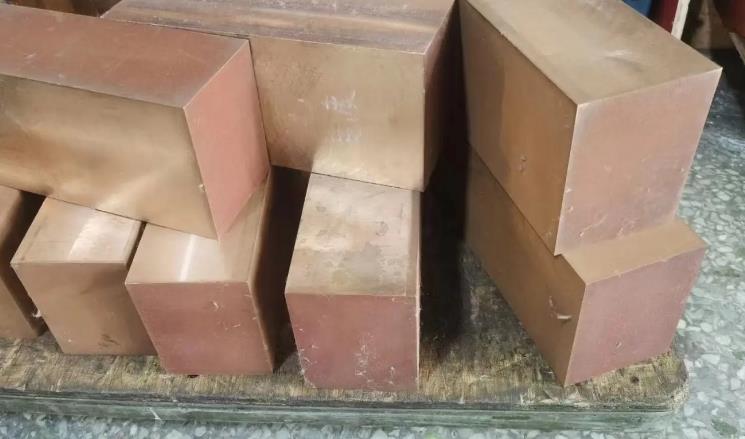
Tin Bronze Compared to Copper Alloys: An In-Depth Look at Their Differences
An in-depth look at the differences between tin bronze and copper alloys
Chemical Composition Comparison
| Alloy Type | Unified Number (UNS) | Main Copper Content (Cu %) | Principal Alloying Elements (%) | Common Trace Elements (%) |
| Tin Bronze | C90700 | 86.0% - 89.0% | Tin (Sn): 10.0% - 12.0% | Phosphorus (P): 0.3% max |
| Leaded Tin Bronze | C93200 (SAE 660 Bearing Bronze) | 81.0% - 85.0% | Tin (Sn): 6.3% - 7.5% | Lead (Pb): 6.0% - 8.0% Zinc (Zn): 2.0% - 4.0% |
| Brass | C36000 (Free-Cutting Brass) | 60.0% - 63.0% | Zinc (Zn): 35.5% - 37.5% | Lead (Pb): 2.5% - 3.7% |
| Aluminum Bronze | C95400 (9C Aluminum Bronze) | 83.0% min | Aluminum (Al): 10.0% - 11.5% | Iron (Fe): 3.0% - 5.0% |
| Cupronickel | C70600 (90/10 Copper-Nickel) | Remainder | Nickel (Ni): 9.0% - 11.0% | Iron (Fe): 1.0% - 1.8% |
Tin bronze, at its core, is a fusion of copper and tin, with the addition of the element tin significantly changing the properties of the alloy. Other trace elements may be added to optimize specific properties. In contrast, copper alloys are a broad category of materials in which copper, as the main component, is combined with metallic or non-metallic elements such as zinc, aluminum, nickel, etc. to produce alloys with diverse properties.
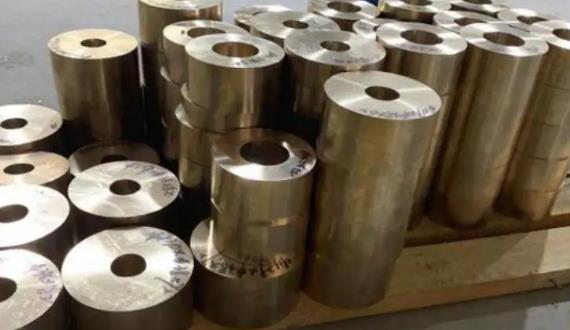
Differences in properties
1. Strength and hardness: Copper alloys are generally harder and stronger than tin bronze, but tin bronze has better ductility.
2. Corrosion resistance: Copper alloys usually have better corrosion resistance, especially in seawater, but tin bronze is also a very stable material.
3. conductivity: copper alloy is a very good conductive material, but tin bronze is slightly less conductive.
4. Solderability: Copper alloys are easier to solder than tin bronze, but tin bronze can also be soldered.
Physical Properties Analysis
Tin bronze shows superior wear and corrosion resistance due to its tin content, as well as high strength and hardness, and good machinability, making it ideal for making parts with complex shapes. The performance of copper alloys varies according to their alloying elements, for example, brass has good ductility and electrical conductivity; white copper is widely used for its excellent corrosion resistance and high toughness.
Applications
Tin Bronze: The Heavy-Duty & Anti-Wear Choice
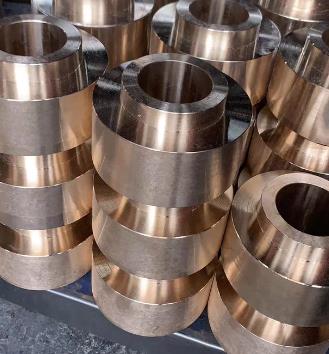
Thanks to its superior wear resistance, high load-bearing capacity, and low friction coefficient, tin bronze is the go-to material for heavy machinery and harsh environments.
Key Uses: Bearings, bushings, gears, worm wheels, marine valves, and components subjected to heavy loads and high-friction conditions.
Other Copper Alloys: The Versatile Industrial Pillars
With their diverse properties—especially excellent electrical conductivity and ease of processing—other copper alloys are indispensable in modern manufacturing.
Key Uses: Electrical connectors and switchgears (utilizing high conductivity), plumbing fixtures, architectural hardware, and heat exchangers.
# Tags:
-
tin bronze compared to copper
Aluminum Bronze vs. Tin Bronze: Which Alloy Should You Choose?
Previous Post