-
20-year dedicated manufacturer
-
Certified Company
ISO 9001:2015

How Beryllium Copper (C17200) Core Inserts Reduce Injection Moulding Cycle Times by 15% - 20%?
Introduction
In the globally competitive automotive and electronics manufacturing sectors, plastic injection moulders are under constant pressure to cut costs and accelerate lead times. When running high-volume production, even a 1-second reduction in cycle time can translate into thousands of dollars saved annually.
However, many tool rooms face a shared bottleneck: thermal management. Traditional mould steels, such as P20, H13, or NAK80, possess excellent mechanical hardness but suffer from poor thermal conductivity. This creates persistent "hot spots" in complex geometries, deep cavities, and core pins, resulting in prolonged cooling cycles, uneven shrinkage, and high rejection rates.
To overcome this, leading global plastic engineering firms are turning to a high-performance material solution: Beryllium Copper (C17200 / BeCu) inserts.
In high-volume plastic injection moulding—especially for intricate automotive parts and precision electronics—Time is Money.
The cooling stage typically consumes over 70% of the entire moulding cycle. If your tool room relies solely on traditional mould steels (like P20 or H13) for deep cavities and complex cores, heat dissipation can become a massive bottleneck, leading to hot spots, warping, and longer waiting times.
Here is why global mould engineers are shifting towards High-Performance Beryllium Copper (C17200) inserts:
1. Hyper-Thermal Conductivity: Beryllium copper conducts heat 3 to 4 times faster than standard mould steel. Placing BeCu inserts in the gate areas or deep core pins pulls heat away rapidly, freezing the plastic faster.
2. High Hardness & Wear Resistance (Up to 40 HRC): Unlike pure copper, C17200 beryllium copper achieves a perfect balance of thermal transfer and rock-solid mechanical strength, ensuring your tools withstand millions of shots without deformation.
3. Improved Surface Quality: Uniform and fast cooling drastically reduces sink marks and thermal stress, ensuring high-yield production for automotive bumpers, connectors, and casings.
C17200 Beryllium Copper completely shatters this compromise.
Targeted Application Areas in Automotive & Electronics Tooling
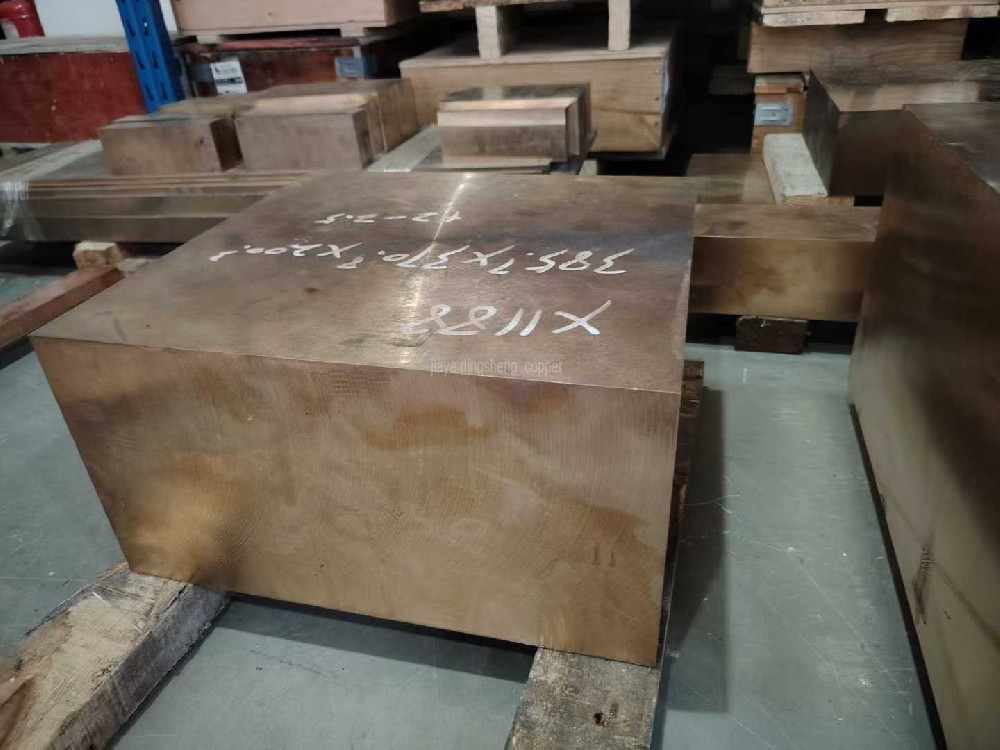
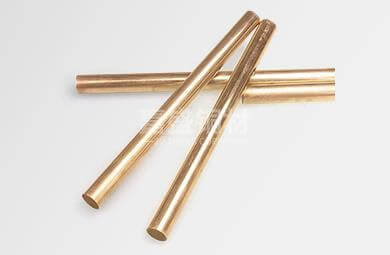
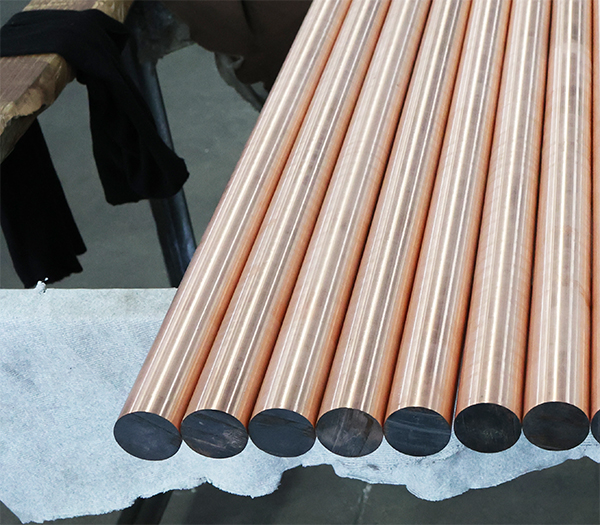
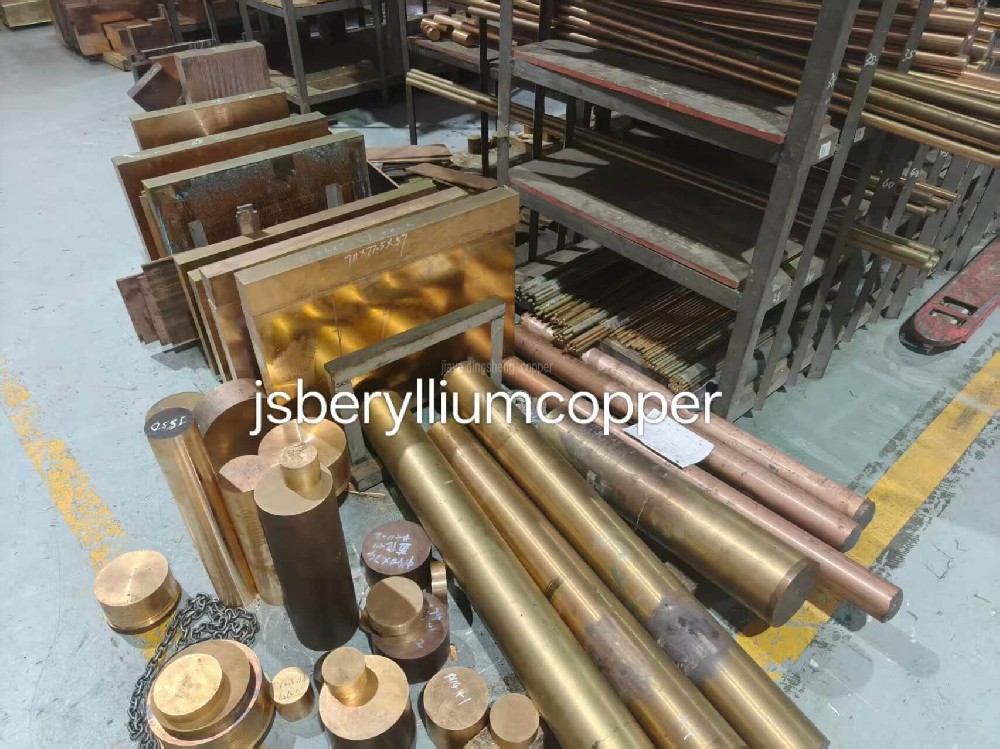
Beryllium copper blocks, rods, and plates are not meant to replace the entire steel mould base; rather, they are strategically deployed as inserts in high-thermal-stress zones:
Automotive Injection Moulding: Perfect for large-scale, high-aesthetic parts like automotive bumpers, grilles, internal dashboard structures, and lighting housings where visual sink marks or warpage cannot be tolerated.
Electrical & Precision Electronics: Essential for multi-cavity precision connectors, micro-switches, and structural electronics housings where cooling channels cannot physically fit due to space limitations.
Core Pins & Sub-Gates: Using BeCu for thin core pins ensures the center of the molded component cools at the exact same rate as the outer shell, eliminating internal voids
# Tags:
-
Beryllium copper,C17200,injection mold,copper alloy,mold insert,BeCu price
How to Solve the Heat Dissipation Problem in Injection Molds?
Previous Post